Tensions in Strait of Hormuz Disrupt Global Shipping, Thousands of Vessels Stranded
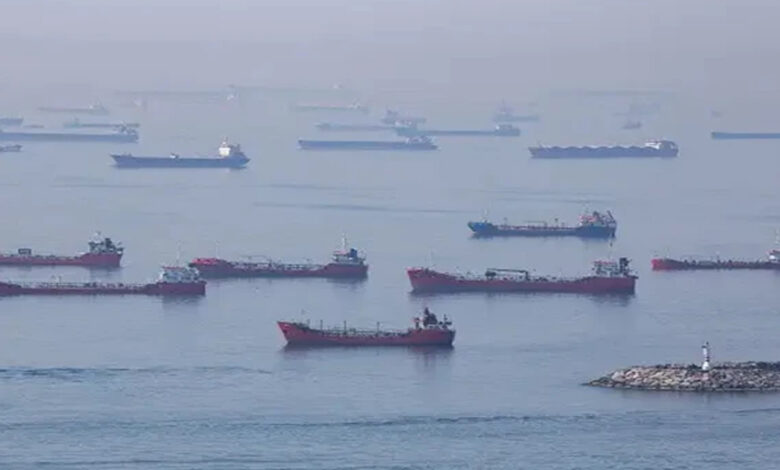
Rising tensions in the Strait of Hormuz have significantly disrupted global maritime trade, leaving nearly 2,000 ships stranded across key waterways.
According to the International Maritime Organization, more than 20 attacks on vessels were reported between February 28 and April 1 in the surrounding regions, including the Persian Gulf, the Strait of Hormuz, and the Gulf of Oman. At least 10 people were killed in these incidents, raising serious concerns over the safety of the vital shipping route.


Currently, around 400 vessels are stuck in the Gulf of Oman, while many others are being rerouted to alternative paths. Shipping companies are increasingly diverting vessels toward the Suez Canal or opting for the longer route around the Cape of Good Hope, leading to increased transit time and higher transportation costs.
Military analysts note that although the United States considers Iran’s naval capabilities limited, Iran’s fleet of small submarines continues to pose a significant threat in the region, complicating navigation through the strategic chokepoint.
Amid escalating tensions, Saudi Arabia has begun shifting part of its oil exports away from the Strait of Hormuz, redirecting shipments through the Red Sea.
Iranian media reports that only 15 vessels were allowed to pass through the strait in the past 24 hours with official approval, marking a nearly 90 percent decline compared to normal traffic levels.
The ongoing crisis underscores the vulnerability of global supply chains and could have far-reaching impacts on energy markets and international trade.