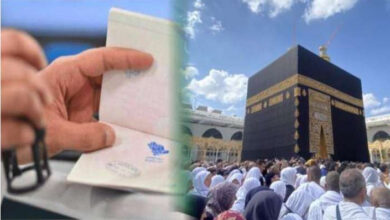
How the Holy Black Stone (Hajr-e-Aswad) in the Kaaba is Cleaned and Preserved
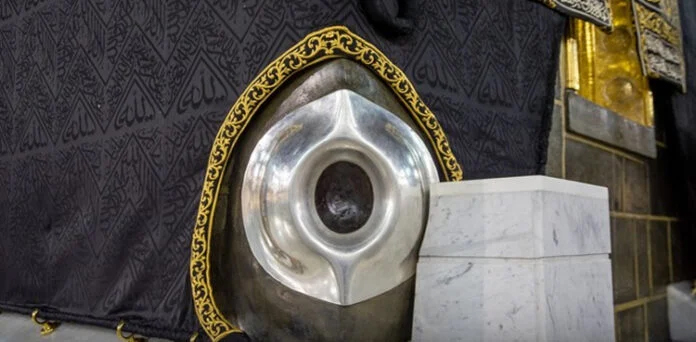
Mecca, Daily Qudrat – The Black Stone, or Hajr-e-Aswad, installed in the eastern corner of the Kaaba, holds a special and distinguished place in the Islamic holy site. Believed to have been brought from Paradise, this sacred stone marks both the starting and ending point of the Kaaba circumambulation (Tawaf).
According to the Saudi Press Agency, the Hajr-e-Aswad is deeply connected to the traditions of Prophet Muhammad ﷺ and has historical ties to Prophets Ibrahim (AS) and Ismail (AS). Before the advent of prophethood, a dispute arose among the leaders of Mecca over who would install the stone. Following a wise decision by the Prophet Muhammad ﷺ, he personally placed the stone in the Kaaba.
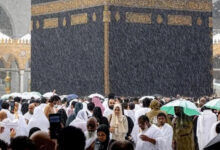

Pilgrims performing Hajj and Umrah follow the Sunnah of the Prophet ﷺ by touching, kissing, or gesturing toward the Hajr-e-Aswad as a profound symbol of devotion. Similarly, the Rukn-e-Yamani, located in the southern corner of the Kaaba, is traditionally touched during Tawaf while supplicating for both worldly and spiritual well-being.
To protect and maintain these sacred markers, the Saudi government has implemented a comprehensive system. The Black Stone is encased in a silver frame and cleaned using advanced technology. Specially trained personnel and a carefully organized management system ensure the preservation of the stone while facilitating the smooth movement of pilgrims during Tawaf.