Court Raises Constitutional Questions on Sheikh Rasheed’s Umrah Travel Ban
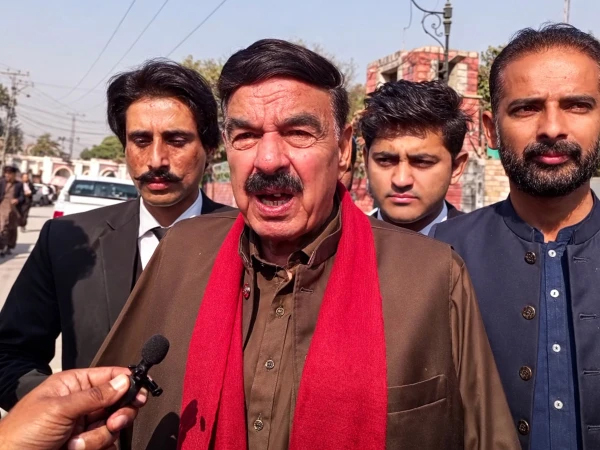
The High Court on Thursday raised important constitutional questions while hearing a petition filed by former interior minister Sheikh Rasheed Ahmed seeking permission to travel abroad to perform Umrah.
A divisional bench comprising Justice Jawad Hassan and Justice Tariq Bajwa heard the petition. Sheikh Rasheed appeared in court along with his counsel, Sardar Abdul Razaq Khan Advocate.


During the hearing, Justice Jawad Hassan remarked that preventing someone from performing Umrah merely on the basis of a criminal case raises significant constitutional issues. The court observed that a detailed and reported judgment would be issued after hearing comprehensive arguments on the matter.
The bench questioned whether stopping a person from traveling for Umrah violates the constitutional right to freedom of movement. The court also asked why Sheikh Rasheed was being stopped when he had previously traveled abroad for Umrah and always returned on time.
The judges noted that, prima facie, a person cannot be barred from performing Umrah solely on the basis of an FIR. Justice Jawad Hassan suggested that the government could allow the petitioner to travel after taking a guarantee ensuring his return.
During the proceedings, the Additional Attorney General argued that Sheikh Rasheed had been stopped due to his alleged involvement in the case related to the General Headquarters attack.
The court then questioned whether there was any clear law that allowed authorities to prevent someone from traveling abroad under such circumstances. Justice Jawad Hassan stated that the court would hear the case in detail and decide the matter in light of the Constitution.
Sheikh Rasheed told the court that he had served as Pakistan’s federal minister 17 times but was now being denied permission to perform Umrah. He added that during the cases related to the May 9 riots in Pakistan he had traveled abroad eight times and returned within 8 to 10 days each time.
His lawyer argued that the High Court had already removed Sheikh Rasheed’s name from the Exit Control List (ECL), but authorities had again placed him on the stop list without justification. He maintained that traveling abroad is a fundamental constitutional right and cannot be denied under provisions of the Anti-Terrorism Act without proper legal grounds.
During the hearing, Sheikh Rasheed also presented his book titled Lal Haveli Se Aqwam-e-Mutahida Tak to the court. Justice Jawad Hassan remarked that judges cannot accept even a pencil and advised that if the book was to be donated, it should be submitted formally to the High Court library.
The court later adjourned the hearing until March 12, stating that the matter would be heard in detail to find a permanent legal solution regarding restrictions on travel for Umrah based solely on pending cases.