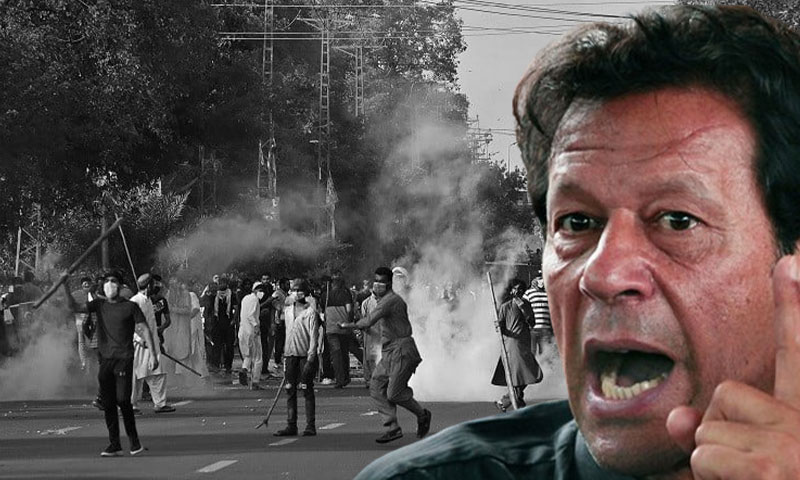
Supreme Court Orders Access to Eye Specialist and Phone Contact with Children for Imran Khan

Islamabad: The Supreme Court of Pakistan on Thursday directed authorities to provide former Prime Minister and PTI founder Imran Khan access to an eye specialist and facilitate telephone contact with his children, emphasizing equal treatment for all prisoners.
A two-member bench comprising Chief Justice of Pakistan Justice Yahya Afridi and Justice Shahid Bilal Hassan heard the case concerning Khan’s health and prison facilities. During the hearing, the Chief Justice called Attorney General Mansoor Usman Awan to the rostrum and referred to reports submitted by the jail superintendent and the court-appointed amicus curiae (friend of the court).


According to the report read in court, Imran Khan expressed satisfaction with prison security arrangements and the quality of food provided but termed medical facilities unsatisfactory. He requested access to specialized eye doctors due to worsening vision problems.
The Chief Justice remarked that since the PTI founder is in state custody, he—like all other inmates—is entitled to equal medical facilities. “We will not say that he should be given extraordinary facilities compared to other prisoners. Everyone must be treated equally,” the Chief Justice observed.
The Attorney General assured the court that access to an eye specialist would be arranged within two to three days. The court directed that arrangements for medical consultation and telephone contact with his children be made before February 16, incorporating the assurance into its written order.
However, the bench rejected a request by amicus curiae Barrister Salman Safdar that a family member be allowed to be present during the medical examination. The court also observed that additional books could be provided to Khan if doctors permit, noting that his eye condition requires priority attention.
The report submitted to the court stated that Khan has been in custody for over two years and four months. He informed the amicus that his vision was normal until October 2025, after which he began experiencing blurred vision, particularly in his right eye. He was reportedly told he had a blood clot and appeared distressed over the deterioration of his eyesight. The report further noted continuous tearing from his eyes during the meeting.
The amicus report also recommended immediate measures to address mosquito and insect issues in his cell and suggested providing a refrigerator to preserve food, describing these as basic necessities. It additionally mentioned concerns about solitary confinement and limited access to television, recommending the provision of books.
During the hearing, the Supreme Court appreciated Barrister Salman Safdar for fulfilling his responsibilities as amicus curiae. The Chief Justice commended his professionalism and also acknowledged the government’s efforts in providing facilities.
Separately, senior lawyer Latif Khosa raised matters related to the Toshakhana case appeals. The Chief Justice observed that related appeals are pending before the High Court and emphasized respect for its jurisdiction, stating that the Supreme Court cannot exercise the powers of an appellate court in the matter.
The court concluded by reiterating that health is of paramount importance and that the state bears responsibility for ensuring adequate medical facilities for prisoners.