Why Most Commercial Airplanes Are White—and How Air New Zealand Broke the Rule with Black Jets
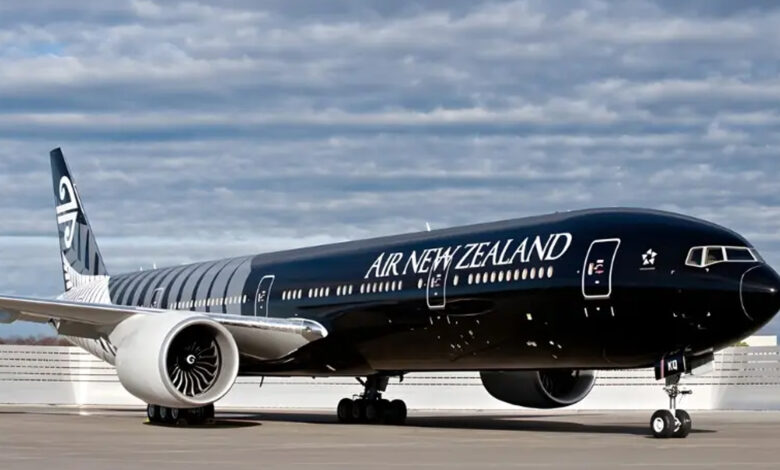
If you’ve ever stood at an airport or looked at flight photos, one thing is immediately noticeable: **most commercial airplanes are painted white**. From budget carriers to long-haul international flights, white dominates. While it has become an unofficial aviation tradition, there are solid scientific, operational, and safety reasons behind it.
### Why White is the Preferred Color


**1. Keeps the Plane Cooler**
White paint reflects sunlight, while darker colors, especially black, absorb heat. This keeps the airplane’s interior cooler during hot days, reducing the load on air conditioning systems and saving fuel. In contrast, a black-painted plane on the tarmac heats up faster, increasing air conditioning demands and fuel consumption.
**2. Lighter Weight Saves Fuel**
White paint usually requires fewer layers and less pigment, making it lighter. Lighter planes use less fuel during long flights, whereas black paint is heavier and can increase operational costs.
**3. Easier Detection of Damage**
Cracks, rust, oil stains, and other issues are easier for engineers to spot on white planes. On black aircraft, small defects can go unnoticed, complicating maintenance.
**4. Longer Lasting Paint**
At high altitudes, sunlight’s UV rays are intense. Black paint fades faster and often requires repainting, whereas white paint lasts longer, lowering maintenance costs.
**5. Safer for Birds**
White planes are more visible against the blue sky, making it easier for birds to spot them and reducing collision risk.
### Air New Zealand’s Black Jets
While most airlines stick with white, **Air New Zealand** chose black to make a statement. In 2007, the airline unveiled its first black **Boeing 777**, commemorating the **All Blacks rugby team** and the Rugby World Cup. Since then, Air New Zealand has maintained at least one black-painted aircraft in each of its fleets.
These black planes not only symbolize New Zealand’s **cultural identity** but also strengthen **brand recognition** and visibility in the global market. The airline’s **Boeing 777-300ER** is the largest black commercial plane in the world, and in 2022, Air New Zealand introduced the **all-black Airbus A321neo ZK-OYB**, the first in the Star Alliance to be fully black.
Despite the unconventional color, the airline confirms that black paint **does not affect performance, handling, or fuel efficiency**. In New Zealand, black is deeply ingrained in the national identity, seen in sports uniforms, footwear, and cultural symbols, making the black planes a flying emblem of the country.
In short, while white remains the practical choice for most airlines, Air New Zealand shows that black can be both **iconic and functional**.