Pakistan Approaches World Bank to Refinance $36 Billion Energy Sector Debt
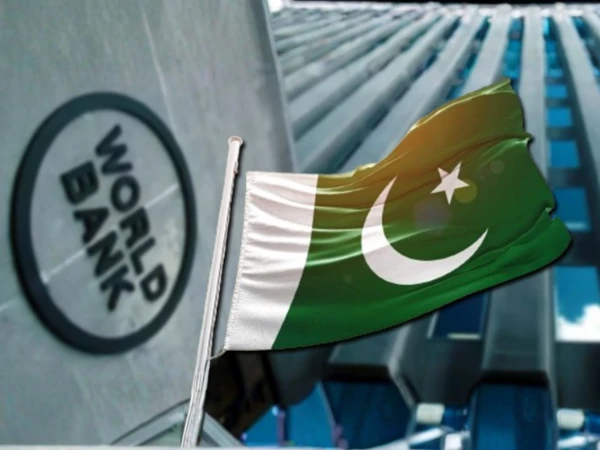
Islamabad: Pakistan has approached the World Bank to explore a possible role in refinancing around $36 billion worth of energy sector debt owed to multilateral and bilateral lenders, officials said. These loans were taken in previous years to set up power generation projects.
According to government sources who spoke to The Express Tribune, an initial proposal has been prepared with the objective of reducing electricity prices for consumers by replacing expensive foreign commercial loans with relatively cheaper multilateral financing. Debt servicing, including principal repayment, is a major component of electricity tariffs and is ultimately paid by consumers.
Sources said that, in addition to inter-ministerial consultations, meetings have already been held with the World Bank. A World Bank spokesperson confirmed that during a meeting held on Thursday, the Minister for Energy referred to the $36 billion energy sector debt and asked whether development partners could collectively assist Pakistan.
Given the scale of financing required, officials acknowledged that no single lender can provide $36 billion. Government sources said that during Thursday’s meeting, different ministries expressed differing views, and it was decided that the Power Division would finalize the proposal in consultation with the Ministry of Economic Affairs.
Under the preliminary proposal, Pakistan is seeking a 15-year repayment period, including a grace period of about four years. The aim is to bring electricity prices down to around 8–9 US cents per unit, equivalent to roughly Rs25 per unit. While the government has recently reduced electricity prices for industrial consumers to around Rs23 per unit, the actual cost remains above Rs26 per unit. Domestic consumers, meanwhile, continue to pay more than Rs57 per unit, a level widely regarded as unaffordable.
Sources said Energy Minister Sardar Awais Leghari met the World Bank’s Country Director Ms. Bolormaa Amgaabazar earlier this week and sought cooperation on the issue. The World Bank spokesperson confirmed that the minister discussed plans to restructure the heavy debt burden in the energy sector but said that the proposal is not yet clear and that additional information has been requested.
The World Bank also informed the government that it could share global experiences to help Pakistan design financing mechanisms for debt restructuring. However, the spokesperson clarified that no discussions have taken place regarding direct financial support from the World Bank.
Government sources, however, said that if multilateral lenders collectively step in, they could potentially provide $1–2 billion annually to help service outstanding energy sector liabilities. When contacted, a Power Division spokesperson claimed that multiple reform ideas are under internal consideration to boost demand and reduce pressure on consumers, but denied that any proposal related to debt reprofiling or refinancing is currently under discussion.
The spokesperson added that the Power Division’s reform agenda focuses on ensuring the long-term sustainability of the power sector and addressing emerging challenges. “We are working with the business community and other stakeholders within the broader policy and macroeconomic framework to address tariff concerns and improve regional competitiveness,” the spokesperson said.
Over the past decade, Pakistan has set up most of its power plants with financing from Chinese financial institutions. In 2018, The Express Tribune reported that Pakistan would need to repay $28 billion to Beijing by 2038 for energy and infrastructure projects under the China-Pakistan Economic Corridor (CPEC). The report was based on official data shared by the then PTI government with the IMF.
Commercial loans for CPEC power projects were obtained at LIBOR plus 4.5% interest, and it was reported at the time that Pakistan could only sustainably manage these repayments by significantly increasing its exports.