Not All Viruses Are Harmful to Health; Some May Be Beneficial, Study Finds
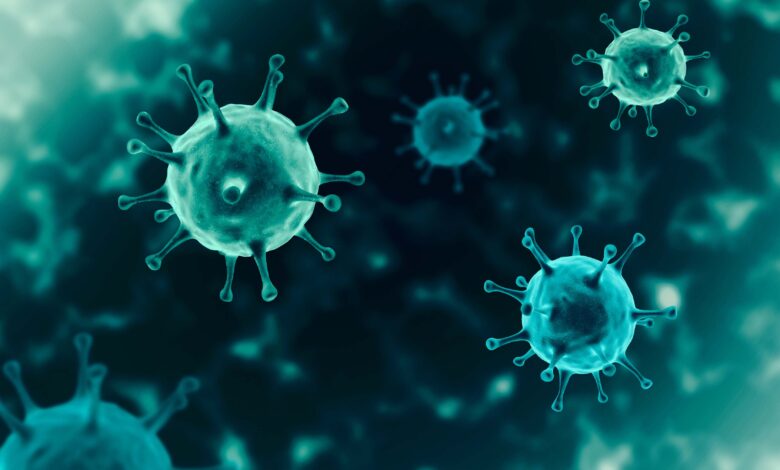
**Islamabad (Qudrat Daily):** Scientists have revealed in a new study that not all viruses are harmful to human health, and some may in fact play beneficial roles in maintaining well-being.
According to a research paper published in the medical journal *Microbial Biotechnology* by scientists led by Dr. Jack Robinson of Australia’s Flinders University, not all bacteria or viruses are dangerous. The study explains that just as not all microbes cause disease, many are essential for keeping humans healthy.


Dr. Robinson noted that emerging evidence shows exposure to diverse environmental microbiomes and natural biochemical products can significantly improve health. Rather than viewing biological diversity as something to be eliminated, modern scientific approaches recognize that diverse ecosystems are crucial for creating healthy environments.
He explained that beneficial microbes support health by regulating the immune system, aiding metabolism, preventing disease, reducing stress, and contributing to environmental stability. For nearly a century, airborne microbes and chemical compounds were largely regarded as threats associated with infection, illness, and pollution. However, this new research highlights the invisible biological diversity that actively supports both human and planetary health.
The study found that microbes are beneficial for skin and reproductive health, mental well-being, improved digestion of nutrients, reduced inflammation, and better blood sugar control. Researchers explained that the vast community of microorganisms living inside the human body is known as the “microbiome,” which includes fungi, algae, bacteria, viruses, protozoa, archaea, and prions.
Dr. Robinson emphasized that restoring healthy microbes could deliver multiple health benefits. Researchers concluded that microbes are vital for human health, as they help produce vitamins, support digestion, and train the immune system to defend against disease-causing pathogens.
He further stated that just as the loss of biodiversity poses a risk to human health, restoring microbial and biochemical richness could be the key to a healthier future.