Political Space Blocked and Non-Political Elements Imposed in Balochistan, Causing Growing Alienation: Dr. Abdul Malik Baloch
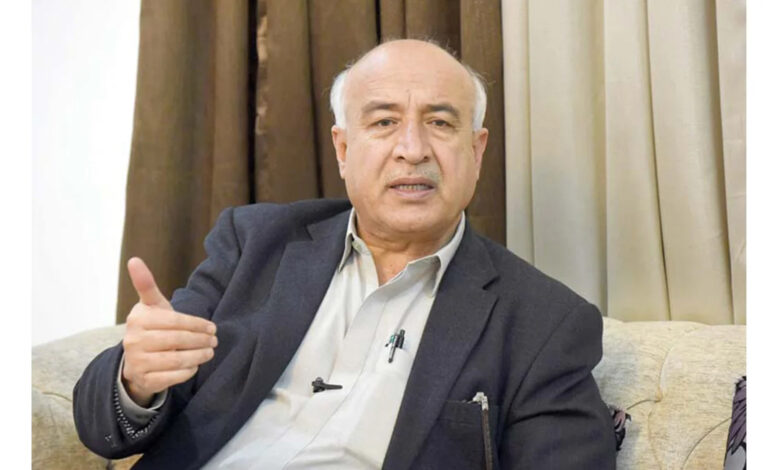
**Panjgur:** President of the National Party, former Chief Minister of Balochistan, and Member of the Provincial Assembly, Dr. Abdul Malik Baloch, has said that by blocking political pathways in Balochistan, political alienation is rapidly spreading across society. He emphasized that the National Party will never abandon its political and democratic struggle, and will continue to connect workers and the public through ideological and intellectual activism, as only a strong and organized political force can safeguard the Baloch people and Balochistan.
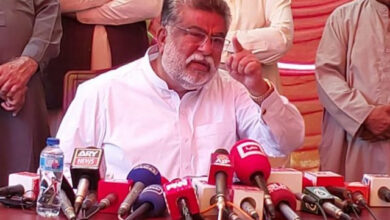
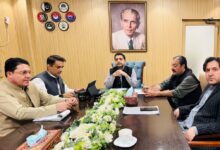
Expressing these views during a special conversation with journalists from Panjgur at his residence in Turbat, Dr. Abdul Malik Baloch said that unity among Baloch political parties is essential, but despite efforts, this objective has so far remained unfulfilled due to various reasons. He stated that parliamentary politics was pursued not for personal gain but to serve the people; however, unfortunately, attempts are being made to pollute the political environment not only in Makran but across the entire province.
He said that instead of respecting the public mandate, political workers are being sidelined and non-political elements are being imposed on the people, which is unacceptable to political and public circles. Dr. Abdul Malik Baloch added that Makran has always been a politically conscious zone that has played a fundamental role in nurturing ideological and intellectual movements in Balochistan.
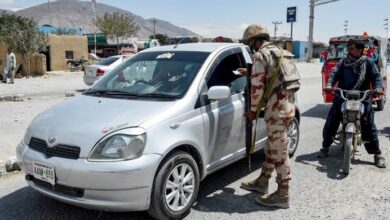
Highlighting economic hardships, he said that due to the closure of the Pak-Iran border in the border areas of Makran and Rakhshan divisions, millions of people have been pushed into unemployment, as there are no alternative sources of livelihood in these regions. He pointed out that there are neither factories nor an effective agricultural system, and for the local population, cross-border trade remains the sole means of survival to procure essential goods and sustain their families. He demanded that all border crossing points in these areas be reopened.
Dr. Abdul Malik Baloch further stressed the urgent need to provide youth in the province with maximum educational and skill-development facilities. He said the government must show seriousness in this regard by improving facilities in educational institutions and ensuring a peaceful environment conducive to learning. He noted with concern that even today, millions of children in various parts of Balochistan remain deprived of education, and it is the responsibility of the rulers to guide them toward schools and provide necessary facilities.
He lamented that despite being rich in natural resources and wealth, the people of Balochistan are struggling for basic necessities such as two meals a day and even a drop of clean water. He asserted that until the sense of deprivation and despair is eliminated, normalization of the situation in the province will not be possible.
Concluding his remarks, Dr. Abdul Malik Baloch emphasized the importance of strengthening literary and cultural institutions, press clubs, and sports organizations, stating that such institutions play a vital role in producing positive contributors to society. He said he has always tried to support academies, sports bodies, and press clubs without political discrimination, but due to limited resources, these efforts could not achieve the desired scale, although several institutions were still supported within available means.