BSO Central Cabinet Voices Alarm Over Political Crackdown, Education Crisis in Balochistan
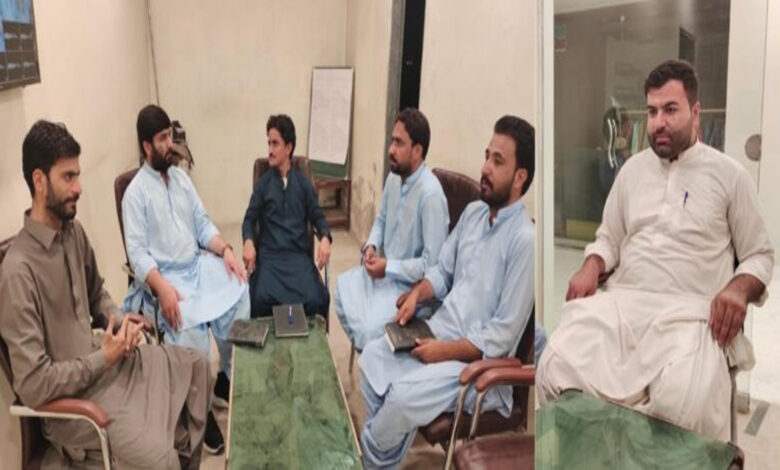
Quetta:** The central cabinet of the Baloch Students Organization (BSO) convened a meeting under the chairmanship of Central Chairman Balach Qadir, with proceedings led by Central Secretary General Samand Baloch. Senior office bearers including Senior Vice Chairman Nazir Baloch, Junior Vice Chairman Amir Nazir Baloch, Senior Joint Secretary Maqbool Baloch, and Information Secretary Shakoor Baloch were present.
The meeting began with a moment of silence to honor the martyrs of Balochistan and acknowledged their sacrifices. Key topics discussed included organizational planning, political strategy, policy formulation, and future action plans.

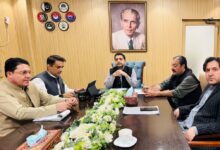
Participants expressed grave concern over what they described as an intensifying state-led crackdown on political workers in Balochistan. They condemned enforced disappearances, extrajudicial killings, and baseless legal cases, stating these acts are aimed at silencing Baloch political consciousness.
“The suppression of political activities, the targeting of student organizations, and the curbing of freedom of expression reflect a premeditated strategy to stifle dissent in Balochistan,” the attendees said. They added that such policies are unconstitutional, undemocratic, and violate international human rights standards.
The cabinet also raised serious concern over the declining state of education in the province. Citing the 2024–25 Economic Survey, the BSO leaders said over 60% of schools in Balochistan lack basic facilities such as electricity, clean drinking water, boundary walls, and toilets. Thousands of schools exist only on paper, while vacant teaching posts continue to increase, further endangering students’ futures.
They particularly criticized the exclusion of budgetary allocations for Jhalawan Medical College, calling it an act of discrimination against the students of the region and reflective of an anti-education stance by the authorities.
The meeting demanded that immediate attention be given to the education sector, that schools be made functional, and that Jhalawan Medical College receive urgent funding to fulfill its academic and healthcare role.
Organizationally, the cabinet praised BSO’s recent performance, noting growing structural strength and increasing grassroots presence across Balochistan. They committed to further strengthening the organization through ideological training, internal discipline, and public engagement.
To elevate the political consciousness of members, the BSO will intensify efforts through ideological study circles, training workshops, and political education programs. A campaign will also be launched to recruit new members.
“Discipline is the backbone of any revolutionary organization,” said the leaders, adding that ideological commitment and adherence to organizational rules are critical in the fight against systemic oppression. Any irresponsible behavior, personal agenda, or non-organizational activities will not be tolerated, and strict action will be taken to uphold the organization’s legacy.
Referring to the recent incident at the University of Balochistan, the BSO stated it had thoroughly investigated the matter and taken disciplinary action against members found involved. The organization reaffirmed that it does not support personal rivalries, factional interests, or unpolitical behavior.
However, they denounced the administration’s collective punishment—particularly the closure of hostels and suspension of academic activities—as unjust. “Hostels are essential for a conducive academic environment, and their closure is causing severe distress to hundreds of students,” the statement read.
The BSO demanded that political spaces in educational institutions be protected rather than suppressed and called on the authorities to immediately reopen university hostels and resume academic activities to prevent further disruption to students’ education.