New Discovery Offers Hope in Alzheimer’s Treatment: Immune System Molecule ‘STING’ Identified as Key Trigger
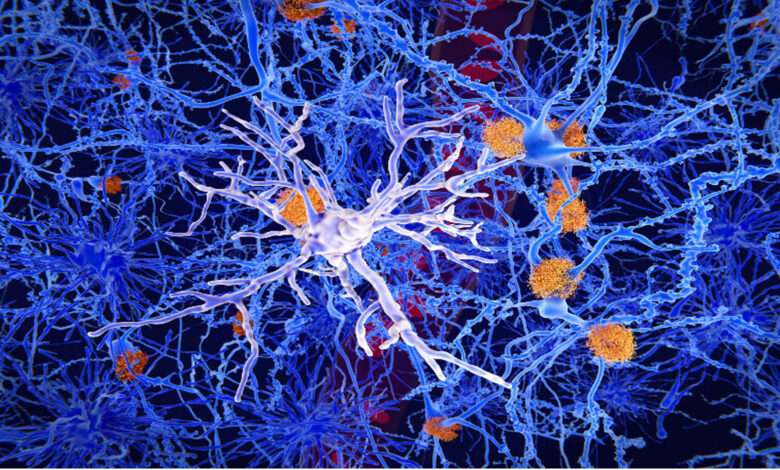
Alzheimer’s disease, a devastating neurological disorder affecting memory, cognition, and daily function, continues to impact millions globally. But scientists at the **University of Virginia** have made a **breakthrough discovery** that could pave the way for new treatments not only for Alzheimer’s but also for related brain disorders.
According to the researchers, Alzheimer’s may not be caused solely by the deterioration of brain cells. Instead, a component of the **body’s immune system**, a molecule called **STING (Stimulator of Interferon Genes)**, may play a **critical role** in the disease’s progression.


Typically, STING helps protect the brain from viruses and damaged cells. However, under certain conditions, it can trigger **inflammation in the brain**, leading to neuronal damage.
### Promising Results from New Research
In experiments conducted on mice genetically engineered to exhibit Alzheimer’s symptoms, scientists reduced the activity of STING. The results were surprising and hopeful:
* Fewer **amyloid plaques** formed in the brain
* **Neurons were better preserved**
* **Memory function improved**
* The brain’s immune cells, called **microglia**, became more balanced and less damaging
These improvements suggest that **modulating STING activity** could significantly slow or even prevent the progression of Alzheimer’s.
### Why Alzheimer’s Risk Increases with Age
Experts believe that as we age, DNA damage in brain cells increases, which in turn activates STING. This leads to chronic inflammation and progressive cognitive decline. In the U.S. alone, over **7 million people** are currently living with Alzheimer’s, and this number could rise to **13 million by 2050**, highlighting the urgent need for effective therapies.
### Broader Implications
While the research is still in early stages, scientists are optimistic. STING is also involved in other neurodegenerative diseases such as **Parkinson’s, ALS**, and **dementia**, meaning this discovery could have far-reaching impact.
However, since STING plays a **protective role** in fighting infections and even cancer, any future treatment would need to **carefully balance** its suppression to avoid compromising the body’s overall immunity.
Dr. **John Lukens**, lead researcher, emphasized:
> “Our study shows that age-related DNA damage activates STING, causing inflammation and neuronal damage in the brain. By targeting STING, we might be able to protect the brain from this process.”
This research marks a **promising new direction** in the fight against Alzheimer’s and could one day lead to **transformative therapies** for millions.