Excessive Meat Consumption During Eid Ul-Adha Can Lead to Digestive and Health Issues, Experts Warn
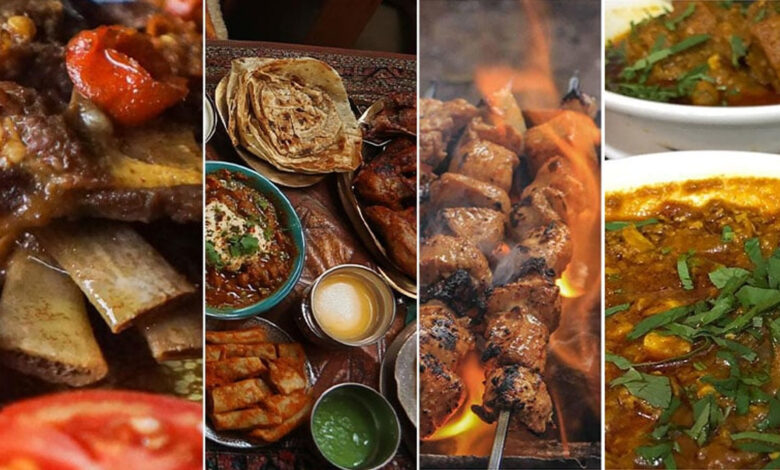
Eid ul-Adha is not just a celebration of sacrifice and joy, but also a festival marked by a feast of various meats and delicious dishes. However, the overconsumption of meat during this time often brings with it a range of health issues that many people face every year. While the sight of meat-filled tables and spicy dishes may appear delightful, it’s important to ask: Are we paying as much attention to our health as we do to the flavor of our food?
During these festive days, many people end up suffering from stomach problems, digestive issues, and other health-related concerns. But, as experts suggest, these problems are avoidable with proper care and moderation. Here’s what health professionals advise about how much and how to consume meat during this festive season.


According to Dr. Haider Abbasi, a gastroenterologist at Pakistan Institute of Medical Sciences in Islamabad, the number of emergency patients typically increases on the first or second day of Eid. He explains that consuming excessive meat can lead to discomfort, vomiting, diarrhea, and increased blood pressure.
Dr. Abbasi recommends that individuals maintain a **limited daily intake of meat**, even during Eid. He emphasizes that the amount of meat consumed during Eid should be in line with our regular meat consumption throughout the year. “If you stick to the usual amount, your body will be accustomed to it, and the digestive system won’t face difficulties in processing it. Excessive meat intake not only overloads the digestive system but can also raise the risk of high blood pressure, cholesterol, and heart diseases.”
Dr. Fazal Rehman, a medical specialist at Holy Family Hospital in Rawalpindi, adds that the excessive consumption of meat during Eid can lead to stomach disorders, nausea, diarrhea, and an increase in blood pressure. He also points out that many people consume organ meats like **liver**, **heart**, and **kidneys** in large quantities, which should also be limited as they are high in **uric acid** and **cholesterol**.
Dr. Rehman advises, “Instead of just eating meat, it’s beneficial to combine it with vegetables, lentils, salads, and yogurt. These foods contain fiber and digestive aids that help balance out the effects of meat. Additionally, including natural ingredients like lemon, ginger, and mint in your meals can further improve digestion.”
**Nutritionist Dr. Amna Farhan** stresses the importance of a **balanced diet** that includes all the necessary nutrients, regardless of the occasion. “Whether it’s Eid or any other time when rich foods are abundant, the key to a healthy life is moderation. Excess or deficiency of any food can be harmful to the body.”
Dr. Farhan further explains that during Eid ul-Adha, it’s common for people to excessively increase their meat intake, causing their entire system to get out of balance. Therefore, it’s essential to follow some basic guidelines:
* **Daily Meat Consumption:** A healthy individual requires around **60 to 100 grams of meat** daily. This amount provides approximately 143 calories, 3 to 5 grams of fat, 26 grams of protein, and essential vitamins and minerals.
* **Types of Meat:** Meat from older animals contains more fat and cholesterol, which can increase the risk of heart diseases.
* **Cooking Methods:** Instead of frying, it’s healthier to **boil**, **roast**, or **steam** meat. These methods help reduce unhealthy fats in the meal.
* **Incorporating Vegetables and Salads:** Including vegetables, salads, and yogurt with meat helps improve digestion and provides essential fiber to the body.
* **Water Intake:** During Eid, it’s essential to increase water intake to stay hydrated and support digestion.
* **Avoid Soft Drinks and Cold Drinks:** It’s best to avoid soft drinks and sodas, as they may provide temporary relief but are high in sugar, which can worsen digestive issues.
In conclusion, while Eid is a time to enjoy delicious meals with family and friends, moderation and mindful eating are crucial to maintaining good health during the celebrations. Experts suggest that by keeping these simple tips in mind, one can enjoy the festive season without compromising their well-being.