Major Crop Output Drops by 13.5% Due to Flawed Government Policies: Planning Commission
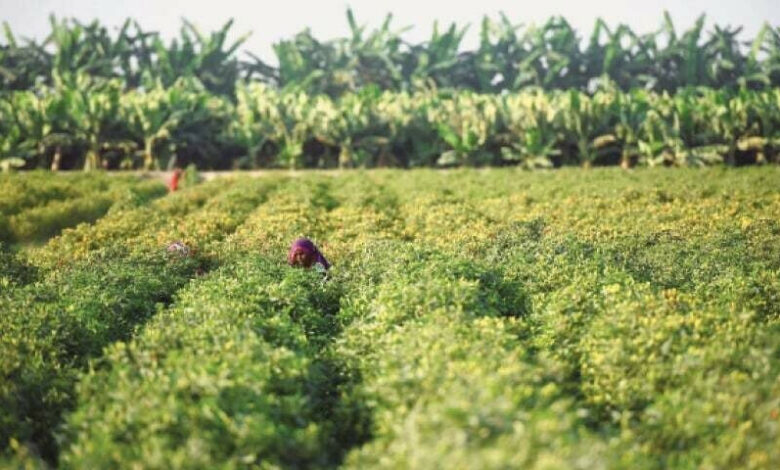
Islamabad:Pakistan’s Planning Commission has acknowledged a significant 13.5% decline in major crop production for the fiscal year 2024–25, attributing the drop to flawed policy decisions at both federal and provincial levels. This sharp reduction could lead to increased food imports in the coming year and place additional pressure on the country’s foreign exchange reserves.
According to media reports, the admission comes through a working paper prepared for the 2025–26 federal budget. The document links the country’s lower-than-targeted GDP growth rate of 2.7%—against a target of 3.6%—to the agricultural sector’s underperformance. The contraction in key commodity-producing sectors, including a sharp fall in major crops, has been identified as the core issue.
The report outlines multiple causes for the agricultural decline, including unfavorable weather conditions, reduced rainfall, rising production costs, and abrupt policy shifts. Last year, the government had announced an attractive Minimum Support Price (MSP) for wheat. However, the Punjab government later withdrew its support, leaving farmers at the mercy of middlemen and unregulated market forces. Later, under IMF negotiations, the federal government decided to phase out market interventions and MSPs altogether.
The commission also noted that prolonged subsidies on fertilizer further strained farmers, increasing production costs and agricultural sector challenges.
While major crops declined by 13.5%, other crops showed a modest 4.8% increase. Production of key crops witnessed sharp declines: cotton (down 30.7%), maize (down 15.4%), sugarcane (down 3.9%), rice (down 1.4%), and wheat (down 8.9%). Despite a slight increase in cultivated area for sugarcane and rice, yields fell, likely due to erratic weather or production cycle disruptions.
The cotton ginning industry also saw a steep 19% decline, reversing last year’s 47.2% growth. The reduction in cotton production and closure of ginning factories were cited as the main reasons.
Interestingly, the contraction helped the federal government limit the expansion of net domestic assets to PKR 145.6 billion this fiscal year, a stark contrast to PKR 1.588 trillion last year. This was made possible by loan repayments to the State Bank, reduced borrowing from scheduled banks, and repayment of commodity financing loans. These measures were part of broader reforms aimed at reducing debt burdens related to commodity financing, including reassessment of wheat procurement, phased-out MSPs, timely subsidy payments, and targeted energy subsidies.
On a more positive note, the commission praised the livestock sector, which grew by 4.7% compared to last year’s 4.4%. This improvement was credited to vaccination campaigns, disease control, and enhanced monitoring efforts by both federal and provincial governments.
However, this success in livestock had limited impact on the manufacturing sector. The overall manufacturing growth was only 1.3% this year, down from 3% last year and below the 4.4% target. Large-scale manufacturing actually contracted by 1.5%, reversing last year’s slight growth of 0.9%, indicating persistent industrial stagnation and weak demand.