Relief Expected on Used Car Imports in Budget; Prices of Small Cars May Drop by Rs. 500,000 to Rs. 1 Million
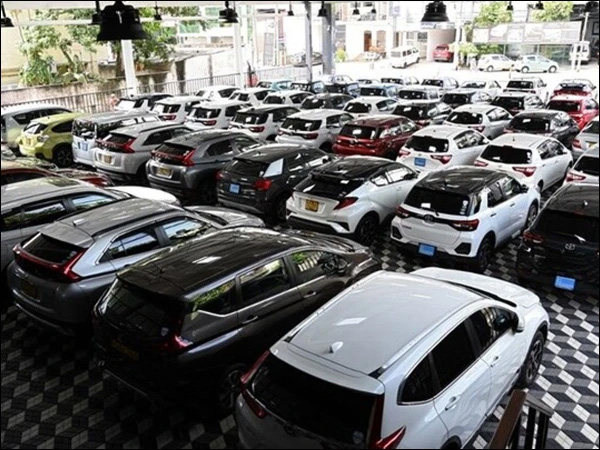
KARACHI: Chairman of the All Pakistan Motor Dealers Association, H.M. Shahzad, has expressed optimism that the upcoming federal budget will offer significant relief on used car imports. He anticipates a reduction in import duties and a possible extension of the age limit for used vehicles from three to five years. If implemented, these measures could reduce the prices of small cars by Rs. 500,000 to Rs. 1 million, making better-quality Japanese cars available for under Rs. 2 million.
In an exclusive interview with Express News, Shahzad stated that Pakistan has assured the International Monetary Fund (IMF) that it will gradually reduce the heavy duties and taxes on used car imports over the next five years. A competitive tax structure—either in the form of sales tax or customs duty—is expected to be introduced.
Currently, the combined duties on car imports range from 96% to as high as 475%. Shahzad mentioned that these rates would be reduced by 20% annually over the next five years.
If the government allows the import of five-year-old vehicles on a commercial basis, it could significantly impact car prices. In Japan, a five-year-old car is almost half the price of a three-year-old one. For instance, a car currently priced at $8,000 when three years old may cost just $3,500–$4,000 if it is five years old. This could lead to price reductions of Rs. 500,000 to Rs. 1 million in Pakistan.
Shahzad pointed out that the cheapest locally assembled car in Pakistan currently costs Rs. 3.1 million, while a comparable car in a neighboring country is priced at just PKR 375,000. Even after adjusting for currency differences, the car would cost around Rs. 1.3 million. With lower duties and an increased age limit, Pakistani consumers could access high-quality Japanese cars for less than Rs. 2 million.
If these reforms go into effect, used car imports in the next fiscal year could rise to 70,000–80,000 units from the current 30,000, which would significantly boost government revenue. Shahzad noted that a 70% increase in tax revenue is possible due to increased imports.
Moreover, increased imports would challenge the monopoly of local car assemblers, forcing them to improve quality and move toward full-scale manufacturing. Pakistan still relies heavily on Completely Knocked Down (CKD) kits, but with added competition, local assemblers may be compelled to enhance localization and adopt international standards.
Shahzad concluded that incorporating IMF recommendations in the budget would benefit all stakeholders: the public would gain access to affordable, high-quality vehicles; the government would collect more revenue; and assemblers would need to innovate and improve to remain competitive.