Lost City of the Ancient ‘Nation of Aad’ Discovered Beneath UAE Desert Sands
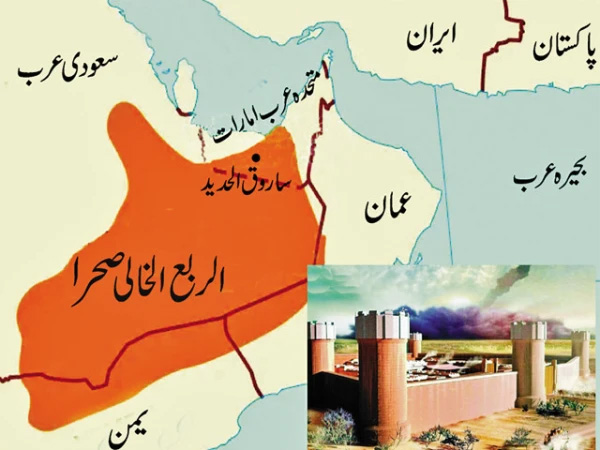
Lahore – Archaeologists from Khalifa University in the United Arab Emirates have uncovered what could be the ruins of the ancient city of Iram of the Pillars, believed to be the capital of the Qur’an-described Nation of Aad. Using advanced radar technology, the team discovered remnants of multiple structures and signs of a large human settlement buried beneath the sand dunes at a site known as Saruq Al-Hadid.
Experts believe these ruins date back over 5,000 years, aligning with historical and religious accounts. The discovery is being hailed as another compelling piece of evidence affirming the historical authenticity of the Qur’an, which mentions the Nation of Aad 24 times. According to Islamic scripture, Aad was a powerful and wealthy civilization that inhabited the region known as Ahqaf—a sandy desert land identified by many scholars as part of southern Arabia.
The Qur’an recounts that the Aad people were led by Prophet Hud (AS) but rejected his message and were ultimately destroyed by a divine punishment, their cities buried under the sands. Emirati experts have now identified the city near the southern edge of the Rub’ al Khali (Empty Quarter) desert, a location long theorized by Islamic scholars to be where King Shaddad, ruler of Aad, built his paradisiacal city.
The UAE government has approved excavations at the Saruq Al-Hadid site, sparking global interest in what could be one of the most significant archaeological discoveries related to ancient Arabian civilizations.