India Plans Expansion of Water Projects on Rivers Allocated to Pakistan Under Indus Waters Treaty
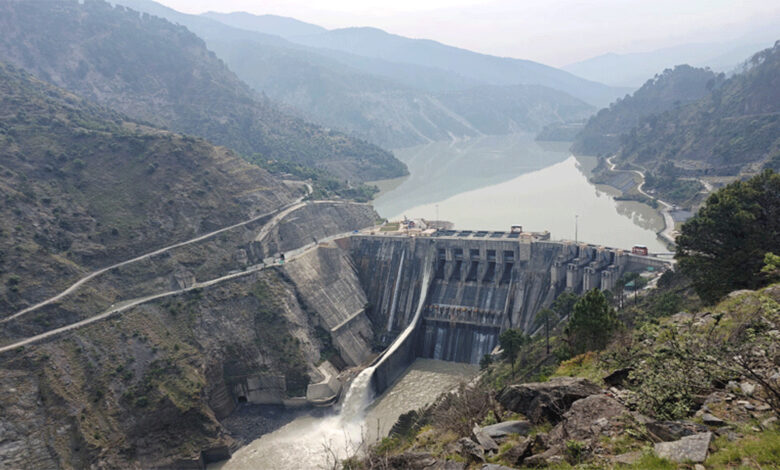
New Delhi/Islamabad:India has begun considering major water infrastructure projects that could reduce the flow of water into Pakistan from rivers allocated to it under the Indus Waters Treaty (IWT), according to a Reuters report. These plans include expanding irrigation canals and developing new storage facilities on rivers such as the Chenab, Jhelum, and Indus — all of which are designated primarily for Pakistan’s use.
One of the major proposals under consideration is the doubling of the Ranbir Canal’s length to 120 kilometers. The canal, originally built in the 19th century, diverts water from the Chenab River and runs toward India’s Jammu region, near Pakistan’s agricultural heartland in Punjab. Currently, the canal diverts around 40 cubic meters of water per second, but the proposed expansion could increase that to 150 cubic meters per second, significantly affecting downstream flow into Pakistan.


Following the 2024 Pahalgam attack — which India blames on Pakistan — India unilaterally suspended its participation in the Indus Waters Treaty, a landmark agreement signed in 1960 to ensure water sharing between the two nuclear-armed neighbors. Pakistan has denied involvement in the attack. While a ceasefire has since taken hold, the treaty remains inactive from India’s side.
Indian Prime Minister Narendra Modi has reportedly instructed officials to accelerate planning and implementation of water projects on the Indus system. These include storage dams, which experts say could allow India, for the first time, to retain large volumes of water from the western rivers — a move that could alter Pakistan’s water supply.
At least five new potential storage projects have been identified, four of which are planned on tributaries of the Chenab and Jhelum rivers, according to documents from India’s Power Ministry. Discussions on these projects reportedly began last month and have continued even after the ceasefire agreement.
The Indian government has not officially responded to Reuters’ inquiries, and there has been no formal statement from the Ministry of External Affairs or the Prime Minister’s Office.
If implemented, these projects could further strain already fragile relations between India and Pakistan, with potential consequences for agriculture, water security, and regional stability.