Rattled by Defeat, India Threatens Turkey with Missile Strike Amid Growing Diplomatic Tensions
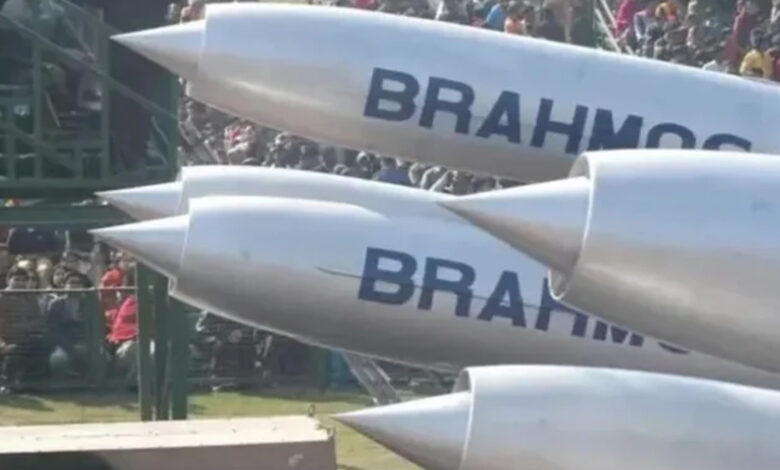
In a startling display of desperation following its recent setbacks against Pakistan, India has reportedly issued veiled threats of a missile strike against Turkey — a country that has openly supported Islamabad in recent regional tensions. Indian media outlets, allegedly backed by the country’s notorious intelligence agency RAW, have published provocative claims suggesting that India could destroy Turkey within six minutes using its so-called “Brahmastra” missile.
One such article specifically claimed that India’s Agni-V missile, capable of reaching speeds up to 29,400 km/h, could target Ankara, the Turkish capital, within minutes. Analysts view these assertions as part of an unverified media campaign aimed at pressuring nations sympathetic to Pakistan’s position during recent escalations.


Further escalating the matter, India’s Bureau of Civil Aviation Security (BCAS) on Thursday revoked the security clearance of Turkey’s ground handling firm Celebi Airport Services India Pvt Ltd. The company operates at nine major Indian airports including Delhi, Mumbai, Hyderabad, and Bengaluru. The decision comes in the wake of Ankara’s vocal support for Pakistan and its condemnation of India’s recent military activities in the region.
The developments occur against the backdrop of Turkey’s growing defense cooperation with Pakistan, including the supply of advanced military drones. These UAVs are believed to have played a significant role in Pakistan’s response to India’s so-called “Operation Sandoor” — a failed operation that intensified tensions between the two nuclear-armed nations.
Observers suggest that India’s aggressive rhetoric and punitive measures against Turkish companies may be a reaction to its diplomatic isolation in the wake of Pakistan’s successful countermeasures. The possibility of India launching a BrahMos missile strike from a naval platform in international waters, as speculated in Indian media, is being dismissed by international experts as inflammatory posturing rather than a genuine strategic threat.
Meanwhile, Ankara has not officially responded to the threats, but diplomatic sources indicate that Turkey views India’s actions as provocative and inconsistent with norms of responsible international behavior.
These developments underscore the increasingly volatile geopolitical environment in South Asia and the broader Eurasian region, with India seemingly lashing out at perceived adversaries following its diplomatic and military embarrassments.