PML-N Introduces Community Justice Bill to Revive Panchayat System in Punjab
The Panchayat system, a traditional form of local dispute resolution, has been a longstanding part of Punjab’s rural life. Historically, in remote villages, where transportation was limited and distance from central authorities made governance challenging, a council of five respected and honest individuals, known as the Panchayat, was established. One of these individuals would serve as the *Sarpanch* (head). The system allowed for the swift resolution of minor disputes and conflicts, with the Panch members being highly regarded for their wisdom, integrity, and social standing.
However, with the advent of Muslim rule and the establishment of the feudal system, the Panchayat system gradually weakened, although it continued to coexist with the landowning structure. In 2019, the Pakistan Tehreek-e-Insaf (PTI) government introduced a Mediation Bill, which allowed elected representatives of constituencies to head the Panchayat councils. This bill, however, saw political figures being included in the process.


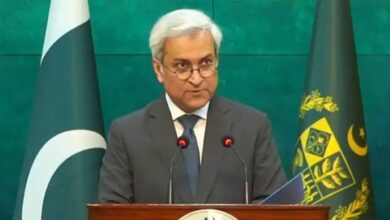
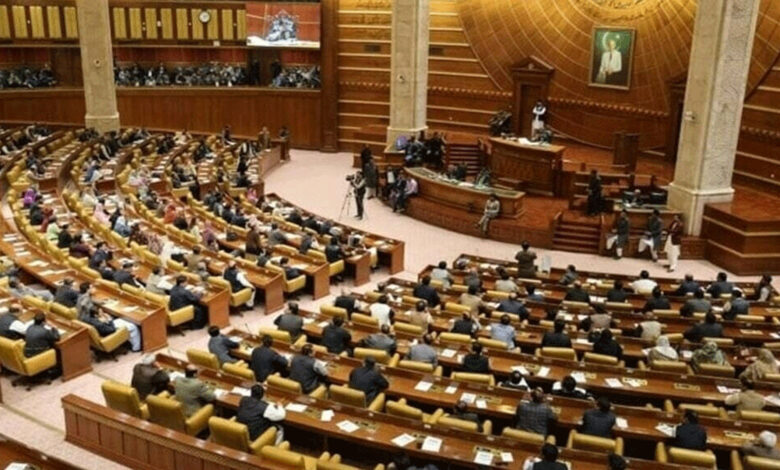
In 2025, Pakistan Muslim League-Nawaz (PML-N) MPA Amjad Ali Javed presented the **Community Justice Panchayat Bill**, proposing the revival of the Panchayat system across Punjab’s Union Councils.
### Key Features of the Community Justice Bill:
1. **Revival of the Panchayat System:**
The bill proposes that the Panchayat system be reintroduced in all Union Councils across Punjab, with approximately 20 members in each Panchayat. These members will be selected by the district administration.
2. **Eligibility Criteria for Panchayat Members:**
To be eligible for membership, individuals must have at least a matriculation (10th grade) education, a clean criminal record (no FIRs), and a good reputation in their communities.
3. **Jurisdiction and Decision-Making:**
The bill grants Panchayats the authority to hear civil and criminal cases, specifically those with a potential sentence of up to three years. Local Panchayats will resolve these types of cases, while cases involving serious crimes like murder can also be heard if both parties request it. However, murder cases will not be mandatory for Panchayat intervention.
4. **Timelines and Punishments:**
Panchayats will have 60 days to deliver a verdict, and they will also have the power to impose punishments. Three members of the 20-member Panchayat will be chosen to hear cases, with the parties involved able to select a member to decide their case.
5. **Impact on Judicial Overload:**
MPA Amjad Ali Javed emphasized that the new system would reduce the burden on the courts. He highlighted that all members of the Panchayat will be non-political, and the system will offer a free and accessible way for the underprivileged to resolve their legal disputes without the need for expensive lawyers.
6. **International Influence on the Bill:**
According to Javed, the new Panchayat system is based on a combination of models from Bangladesh, India, and the UK, blending aspects of each country’s community justice systems.
Javed expressed optimism that this system would address many local issues, allowing citizens to seek justice at the grassroots level and ensuring that those who cannot afford legal representation are not excluded from the judicial process. The bill is seen as a step toward improving access to justice and easing the caseload of formal courts in Punjab.