Heatwave Alert Issued Across Pakistan; Citizens Urged to Take Precautions
Islamabad: Pakistan has officially entered its first dangerous heatwave of the year, with the Meteorological Department issuing a heatwave alert across the country. The extreme heat is expected to last from May 15 to May 20, with most regions experiencing dry and intense weather conditions.
According to the report, temperatures are likely to rise by 4 to 7 degrees Celsius above normal during this period. Sindh, southern Punjab, and most areas of Balochistan will be the hardest hit by intense daytime heat, while upper and central regions like Punjab, Khyber Pakhtunkhwa, Gilgit-Baltistan, and Azad Kashmir will also experience high temperatures.
Unusually high temperatures are also expected in Islamabad and the northern regions, with concerns about rapid melting of glaciers, which could increase the flow of water in rivers and streams.
Weather System Change Expected
Meteorological experts predict a new weather system from May 19-20, bringing possible rain, thunderstorms, and hail to some regions, but these conditions are expected to remain confined to the northern areas of the country.
Health and Safety Precautions
The Meteorological Department and the National Health Institute have urged citizens to take special precautions during the heatwave to avoid health risks. Vulnerable groups such as the elderly, infants, pregnant women, and outdoor workers are particularly at risk of heatstroke.
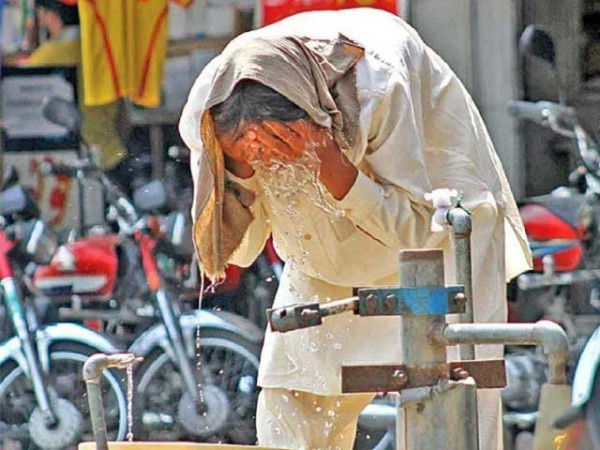
The public is advised to avoid unnecessary outdoor activities during peak daylight hours, wear light-colored and loose clothing, cover their heads when exposed to the sun, and stay hydrated to maintain body moisture.
Emergency Alerts from PDMA in Punjab
The Provincial Disaster Management Authority (PDMA) in Punjab has issued an emergency alert, instructing all commissioners and deputy commissioners to take immediate action to tackle the heatwave. Departments such as education, health, transport, and local government have been activated to ensure the availability of clean drinking water at public places and to prepare hospitals for immediate medical aid.
Advice for Farmers and Rural Communities
Farmers are advised to adjust their agricultural activities in line with the harsh weather, ensuring proper shade and water supply for livestock to prevent health issues.
Heatstroke Symptoms and Treatment
The National Health Institute has highlighted heatstroke symptoms, which include headaches, extreme body heat, dizziness, nausea, and loss of consciousness. In such cases, patients should be immediately moved to a shaded area, their bodies cooled with cold water, and urgent medical attention sought.
Impact of Climate Change
Global and national health organizations have stressed the growing risks of heatwaves due to climate change, noting that heatwaves in Pakistan have become more prolonged and dangerous in recent years. The number of fatalities due to heatwaves has significantly increased, especially in areas with limited healthcare facilities.
Sindh Heatwave Alert
The Meteorological Department’s Early Warning Center has issued a heatwave alert for Sindh, stating that a high-pressure system will dominate the upper atmosphere, leading to intense heat in the province from May 15 to May 20. The temperature in rural Sindh areas like Dadu, Shaheed Benazirabad, Nowshehro Feroze, Jacobabad, Larkana, and Sukkur is expected to rise by 5 to 7 degrees above normal. In districts like Badin, Tharparkar, Umerkot, and Hyderabad, temperatures may increase by 3 to 5 degrees.
Karachi Weather Outlook
Currently, there is no forecast for a heatwave in Karachi, but the city is expected to experience hot and humid conditions. The humidity levels are likely to rise, with morning humidity reaching 80% and evening humidity at 60%, making the heat feel more intense. The maximum temperature in the next three days is expected to exceed 37°C. Citizens, particularly children, women, and the elderly, are advised to take precautions and avoid direct sunlight, ensuring they stay hydrated.