Islamic Ideology Council Chairman Issues Zakat al-Fitr and Fidya Fasting Guidelines for 2025
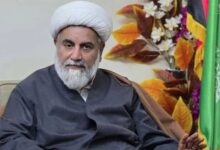
The Chairman of the Islamic Ideology Council, Allama Dr. Raghib Hussain Naeemi, has issued the official guidelines for **Zakat al-Fitr** and **Fidya Fasting** for the current year. According to the guidelines, a minimum of **220 Pakistani Rupees** per person should be paid as **Zakat al-Fitr** and **Fidya Fasting** this year.
As per the statement released by the spokesperson of the Islamic Ideology Council, the amounts for Zakat al-Fitr, depending on the staple foods, are as follows:

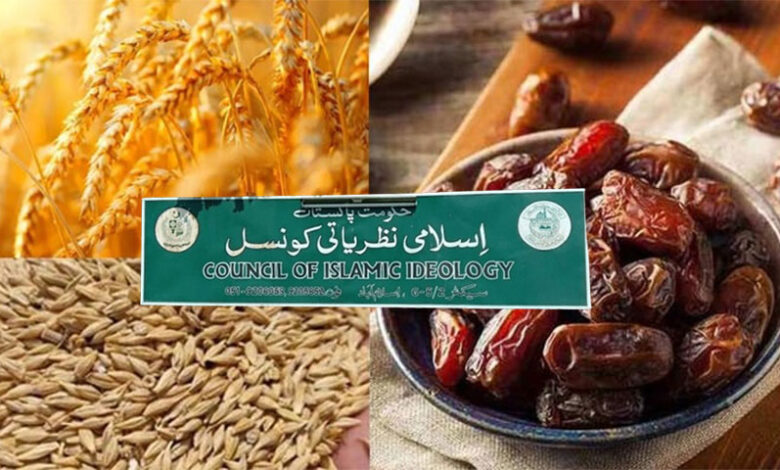
– **Wheat**: 220 Rupees
– **Barley (Jo)**: 450 Rupees
– **Dates (Khajoor)**: 1650 Rupees
– **Raisins (Kishmish)**: 2500 Rupees
– **Dried Figs (Munaqqa)**: 5000 Rupees
Wealthier individuals are encouraged to pay based on their financial capability to ensure that a larger number of underprivileged individuals benefit from this charity. All Muslims, regardless of gender, age, or status, are obligated to pay Zakat al-Fitr.
Dr. Raghib Naeemi emphasized that individuals who are financially able should avoid relying on wheat alone for Zakat al-Fitr and instead donate according to their financial circumstances, allowing more people in need to benefit from the charity.
In regions outside Punjab, people are advised to adjust the amount for Zakat al-Fitr according to the prices of relevant goods in their area. For instance, the amount for **wheat** is calculated as **half a Sa’ (2 kg)**, while **dates**, **raisins**, and **dried figs** are calculated as **one Sa’ (4 kg)**.
Furthermore, Dr. Raghib Naeemi shared that the **Fidya for 30 days of fasting** will amount to:
– **Wheat**: 6600 Rupees
– **Barley**: 13,500 Rupees
– **Dates**: 49,500 Rupees
– **Raisins**: 75,000 Rupees
– **Dried Figs**: 150,000 Rupees
For those who deliberately break their fast, the **Kaffara** (penalty) is to either fast for 60 consecutive days or provide two meals a day to **60 needy individuals**.
For individuals using government-subsidized flour, a reduced amount of **160 Rupees** can also be paid for **Zakat al-Fitr** and **Fidya Fasting**.
These measures aim to ensure that everyone, regardless of financial status, can participate in fulfilling this essential obligation during the holy month of Ramadan.