Cold and Dry Weather Expected Across Pakistan with Little Rainfall in Islamabad
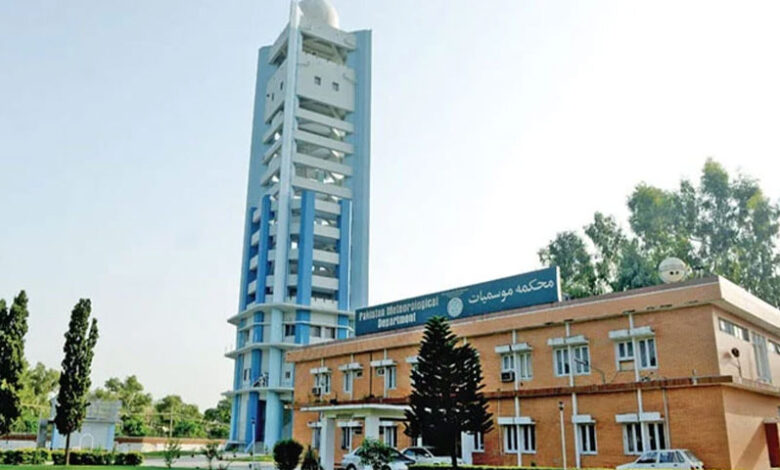
Islamabad:Most parts of the country are expected to experience cold and dry weather, while the northern regions will remain severely cold and cloudy. However, thick fog is likely to persist during the night in several districts of Punjab, upper Sindh, and the plains of Khyber Pakhtunkhwa.
The Pakistan Meteorological Department (PMD) has forecasted that a western disturbance is impacting the western and upper regions of the country, resulting in colder conditions. Prior forecasts had also indicated the possibility of rain, but Islamabad has yet to witness any significant rainfall.

In the past, the PMD had predicted multiple rain showers in the capital, especially in the second week of January, with continuous rainfall expected for 3 to 4 days. However, the much-anticipated rains have not materialized.
Director General of the PMD, Meher Sahibzada Khan, spoke to V News, stating that compared to previous years, this time, fog has not been as intense, though parts of Punjab and Sindh are still experiencing dense fog. He also mentioned that some regions in Murree and the northern areas may experience rain and snowfall in the coming days, while Quetta has seen considerable snowfall recently.
Khan acknowledged that Islamabad has experienced very light rainfall over the past two months. He further explained that October and November generally see lower rainfall as well, which is typical after the monsoon season. He added that while rainfall in January has been limited, sometimes the rainfall season extends into March and April, compensating for the dry spells in January and February.
Regarding the overall reduction in rainfall this season, Khan noted that while the rainfall has been lower than usual, it does not indicate a drought. The average temperature has dropped by 1 to 2 degrees compared to previous years, contributing to colder conditions.
Weather expert Mohammad Usman explained that the lack of rainfall in December and January has exacerbated the cold, leading to an increase in viral infections among the population. He further highlighted that, historically, rainfall in Punjab would begin in December and continue at regular intervals throughout the winter. However, due to climate changes, the duration of rainfall has been reduced, with some years seeing no rainfall at all in Islamabad.
Usman noted that in the past, November was considered a winter month, but this year, many areas did not experience the traditional intensity of winter. The reduction in winter rainfall has been significant, with some areas seeing up to a 50% decrease in seasonal rainfall.