Oil Prices Fall to Three-Week Low as Progress Reported in U.S.-Iran Strait of Hormuz Talks
London:Global oil prices fell to their lowest levels in nearly three weeks after reports of progress in negotiations between the United States and Iran aimed at reopening the Strait of Hormuz to commercial shipping.
According to international media reports, both **Brent crude** and **U.S. West Texas Intermediate (WTI)** crude dropped to their lowest levels since July 13, following renewed optimism over diplomatic efforts.


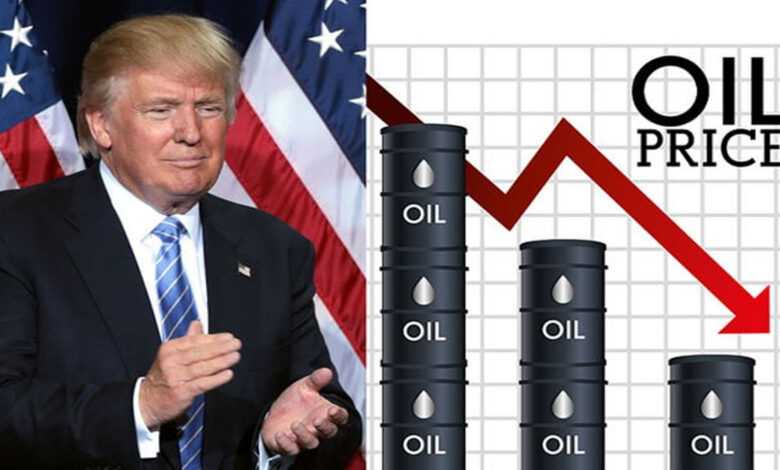
Brent crude prices declined by nearly **5 percent**, slipping below **$80 per barrel**, while WTI crude fell by more than **5 percent** to around **$76 per barrel**.
The sharp decline followed comments by U.S. Secretary of State **Marco Rubio** and Treasury Secretary **Scott Bessent**, who said talks involving Iran and Oman had made positive progress and expressed hope that normal shipping through the Strait of Hormuz could resume soon.
Speaking to reporters in Washington, Rubio said negotiations had advanced but emphasized that no final agreement had yet been reached. He added that he remained optimistic an agreement could be concluded in the near future.
Treasury Secretary Scott Bessent also said in a media interview that a deal to reopen the Strait of Hormuz could potentially be finalized by Tuesday or Wednesday.
Despite the positive signals from U.S. officials, details of the proposed agreement have not yet been made public, and Iran has not issued any official confirmation regarding the reported progress.
Several previous rounds of negotiations between Washington and Tehran have failed in recent months, contributing to significant volatility in global energy markets. Rising geopolitical tensions pushed crude oil prices higher, leading to increased gasoline and diesel costs in many countries.
The Strait of Hormuz is one of the world’s most critical energy transit routes, carrying approximately **20 percent of global crude oil and liquefied natural gas shipments** before the conflict that began in late February. Any sustained reopening of the waterway is expected to improve energy supplies and ease pressure on global oil markets.