Soaring Oil Prices Boost Energy Giants as U.S.-Iran War Creates Political Challenge for Trump
Washington:The ongoing conflict between the United States and Iran has driven global oil prices higher, delivering record profits for major energy companies while increasing political pressure on President Donald Trump ahead of the U.S. midterm elections.
According to international media reports, heightened tensions in the Middle East have disrupted global energy markets, pushing up crude oil prices and significantly boosting the earnings of the world’s largest oil producers.

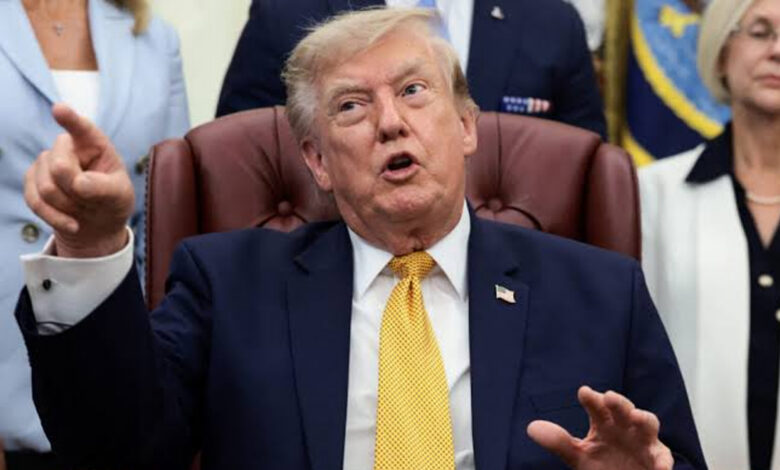
Speaking to reporters at the White House, President Donald Trump criticized oil companies for profiting from the crisis.
“I support the free market, but oil companies are making far too much money under the current circumstances, and I’m not happy about it,” Trump said.
### Energy Giants Report Record Profits
Saudi Aramco, the world’s largest oil producer, reported a **second-quarter profit of $33.4 billion**, up **33 percent** from **$25.2 billion** during the same period last year.
U.S. energy giant **ExxonMobil** announced quarterly earnings of **$14.5 billion**, more than double its profit from a year earlier.
Another American oil major, **Chevron**, posted **$12.1 billion** in quarterly profit, more than four times its earnings during the same period last year.
British energy company **Shell** also reported nearly **$10 billion** in quarterly profit, marking one of the strongest quarterly performances in the company’s history.
### Rising Fuel Costs Add Political Pressure
The surge in oil prices has translated into higher fuel costs for American consumers. Since the conflict began, the average price of gasoline in the United States has increased by approximately **37 percent**, adding to inflationary pressures already affecting households.
With the U.S. midterm elections approaching in November, reducing fuel prices has become a key political priority for the Trump administration, as rising gasoline costs have historically weighed on public support for the governing party.
### Strait of Hormuz Disruptions Impact Global Supply
The conflict has significantly disrupted oil tanker traffic through the **Strait of Hormuz**, reducing global crude supplies and driving prices higher.
Although recent reports suggest progress in negotiations involving the United States, Iran, and Oman aimed at reopening the strategic waterway, uncertainty continues to affect global energy markets.
### Risks Remain in the Red Sea
Energy analysts noted that Saudi Arabia has diverted part of its oil exports from the Strait of Hormuz to routes through the Red Sea. However, shipping in the region has also faced security challenges following threats by Iran-backed Houthi forces against Saudi-linked vessels passing through the **Bab el-Mandeb Strait**.
The blockade threats have reportedly reduced Saudi crude exports through the Red Sea, adding further strain to global supply chains.
### Analysts Expect Volatility to Continue
Rahul Choudhary, Vice President at energy research firm **Rystad Energy**, said Saudi Aramco’s higher profits were also driven by increased exports of higher-value refined products, particularly diesel.
He added, however, that the current level of exceptional profitability is unlikely to last indefinitely. According to Choudhary, declining inventories and the possible reopening of the Strait of Hormuz could increase global oil supplies and put downward pressure on crude prices.
Analysts say major oil companies are likely to continue benefiting as long as oil prices remain elevated, while consumers around the world will continue to bear the burden through higher gasoline and diesel prices.