Sheikh Hamdan Approves AED18 Billion Mega Development Package for Dubai
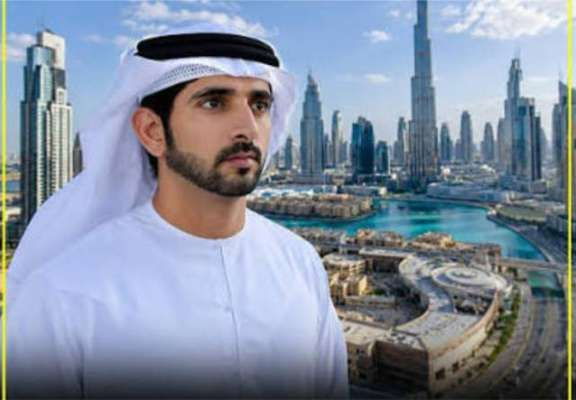
DUBAI: Sheikh Hamdan bin Mohammed bin Rashid Al Maktoum has approved a landmark AED18 billion development package, including major infrastructure, technology, investment, and cultural initiatives aimed at supporting Dubai’s long-term growth.
The projects were approved during a meeting of the Dubai Executive Council, chaired by Sheikh Hamdan, where the First Al Khail Street Development Plan was among the flagship initiatives endorsed.

The centerpiece of the package is the redevelopment of First Al Khail Street, which will run parallel to Dubai’s busy Sheikh Zayed Road. The project includes the construction of a 15-kilometre elevated roadway (flyover) featuring three lanes in each direction.
The new corridor will connect key districts, including Al Barsha, Al Quoz, Business Bay, and Meydan, benefiting an estimated 2.6 million residents. Once completed, it is expected to reduce travel times during peak hours by 51 percent and increase road capacity by approximately 9,000 vehicles per hour. Construction is scheduled to begin in the third quarter of 2027, with full completion expected by the fourth quarter of 2030.
The Executive Council also approved the Dubai Population Now project, which will use artificial intelligence (AI) and smart forecasting technologies to create a real-time population clock. The system will continuously monitor population changes, enabling authorities to improve planning for housing, healthcare, education, and transportation.
In addition, the council endorsed the Dubai Cultural Strategy 2033, which aims to position Dubai as a global hub for creative talent by attracting 6,000 local and 6,000 international creatives while increasing the cultural sector’s contribution to the emirate’s GDP to 5.4 percent.
The Dubai Customs Strategy 2030 was also approved to strengthen Dubai’s position as a global trade hub and reduce business costs through enhanced customs services and trade facilitation.
Another major initiative is the establishment of a unified Dubai Investor Register, allowing companies and investors to operate across multiple economic zones using a single registration. The move is expected to support the Dubai Economic Agenda D33, which targets AED650 billion in foreign direct investment by 2033.
The council further approved a new visual identity for Dubai’s address system, featuring redesigned signage inspired by the emirate’s landscape. The upgraded system is expected to cover 186 areas by 2029, making navigation easier for residents and visitors.
In partnership with the Dubai International Financial Centre (DIFC), Dubai will also establish a Global Centre for Technology and Innovation in Islamic Finance. The initiative comes as the global Islamic fintech market is projected to reach $9.31 trillion by 2030, with a major international forum scheduled for November 4, 2026.
Additionally, the Executive Council approved the Emirati Talent Strategy for the private education sector, which aims to create employment opportunities for 3,000 Emirati nationals in private educational institutions by 2033.