Government Introduces Fixed Tax Scheme for Small Shopkeepers to Expand Tax Net
Islamabad: The federal government has introduced a new fixed tax scheme for small shopkeepers as part of efforts to broaden the country’s tax base and bring millions of businesses into the formal economy.
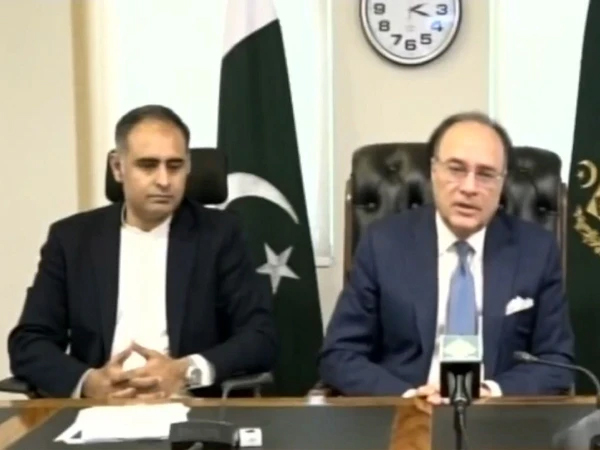
The announcement was made during a press conference addressed by Finance Minister Muhammad Aurangzeb and Minister of State for Finance Bilal Azhar Kayani.

Speaking at the briefing, Bilal Azhar Kayani said the scheme has been developed in consultation with trader bodies and business associations. He said it will apply to shopkeepers with an annual turnover of up to Rs200 million, while traders will also have the option to remain in the existing tax regime if they choose.
He added that shopkeepers registered under the scheme will be issued special identification plates by the Federal Board of Revenue (FBR). These plates will include the shop’s name, NTN number, and tax-related details. A QR code on the plate will allow FBR inspectors to verify registration, and officials will not be permitted to enter shops without scanning the code.
Kayani further stated that participants of the scheme will be exempt from routine tax audits, while any special audit will only be conducted after consultation with trader organizations. A dedicated committee will also be formed to handle audit-related matters.
He said there are approximately 3 to 4 million small shopkeepers in Pakistan, and bringing them into the tax net would be a major milestone for the economy. The initiative has been launched with the support of Prime Minister Shehbaz Sharif and the finance minister, in collaboration with FBR officials and the business community.
Finance Minister Muhammad Aurangzeb said the government is working to expand the tax base rather than increasing tax rates, with the aim of reducing the burden on taxpayers. He added that despite challenges such as floods and regional geopolitical tensions, the economy remained stable and was managed through domestic resources without external assistance.
Aurangzeb emphasized the need for a fair and efficient taxation system as a key priority for long-term economic stability and growth.