Pakistan’s Circular Debt Surges to Rs5,100 Billion as Fiscal Concerns Deepen: Parliamentary Panel
ISLAMABAD: Pakistan’s combined circular debt in the electricity and gas sectors has surged to Rs5,100 billion, up from Rs3,500 billion last year, officials informed the National Assembly Standing Committee on Finance.
The revelation came during a detailed briefing on the country’s economic situation and fiscal priorities for the upcoming budget, where lawmakers reviewed macroeconomic risks, the performance of the International Monetary Fund (IMF) program, and the need for structural reforms.

Officials told the committee that despite signs of gradual economic recovery, Pakistan remains on a path described as “unstable stabilization.” For fiscal year 2026-27, GDP growth is projected between 3.5% and 4.5%.
The committee was further informed that inflation has returned to double digits, reaching 10.9% year-on-year in April 2026, raising concerns over price pressures and economic stability.
Lawmakers expressed strong reservations over the government’s continued reliance on indirect taxes and petroleum levies instead of expanding the tax base. Committee members also raised concerns over the rising burden of circular debt, slow reforms in state-owned enterprises, and increasing social and economic pressures caused by inflation, unemployment, and poverty.
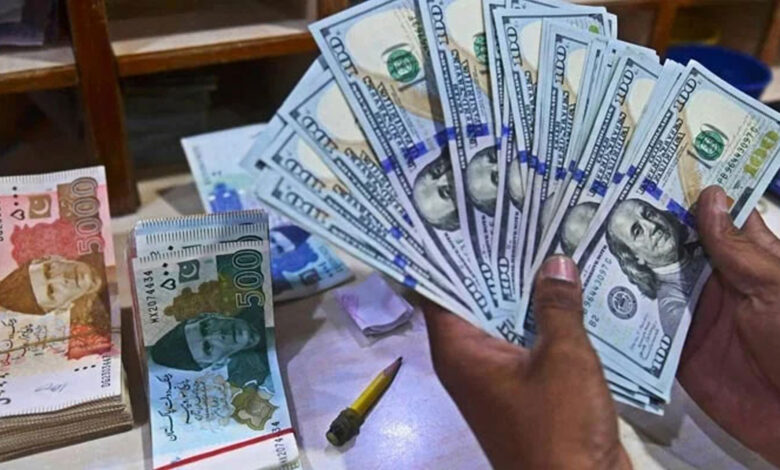
Officials also disclosed that Pakistan’s total external debt stands at $137.56 billion, underscoring ongoing fiscal challenges ahead of the next budget cycle.