Turkey Intensifies Crackdown on Illegal Afghan Migrants Amid Security Concerns
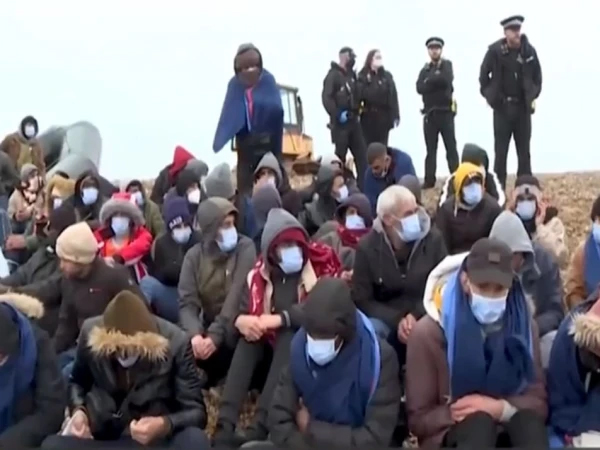
Governments around the world are tightening measures against illegal Afghan migrants, with Turkey launching a fresh wave of arrests as concerns over security and public order continue to grow.
According to reports, illegal Afghan migrants have increasingly become a major challenge for host countries in terms of internal security and law enforcement. Following similar actions in Germany and Iran, Turkish authorities have accelerated operations against undocumented Afghan migrants.


A report by Afghan media outlet Afghanistan International stated that Turkish police carried out raids in the regions of Şırnak and Bayburt, arresting 15 Afghan migrants along with six human smugglers involved in illegal border crossings.
The report added that three Afghan operatives linked to a human smuggling network in Bayburt were detained for facilitating the illegal movement of refugees across borders, while one suspect was sent to jail under court orders.
According to Afghan International, Turkish authorities have transferred the detained Afghan nationals to deportation centers, and the process of returning them to Afghanistan has already begun.
Turkey’s migration department has adopted a strict policy against illegal immigration, making it clear that undocumented migration will not be tolerated under any circumstances. Authorities said strict border surveillance, arrests of illegal migrants, and immediate deportations would continue.
According to the United Nations, Turkey has adopted a zero-tolerance policy against illegal Afghan migrants and has detained and deported around 13,500 Afghan refugees so far this year.
Security experts have warned that the absence of proper screening of undocumented migrants creates dangerous security gaps that could be exploited by extremist groups to establish sleeper cells in host countries.
Analysts say the rise in crimes linked to illegal migration has pushed host nations to prioritize national interests and security concerns over humanitarian considerations.