Government Decides to End General Electricity Subsidy for Consumers Using Up to 200 Units
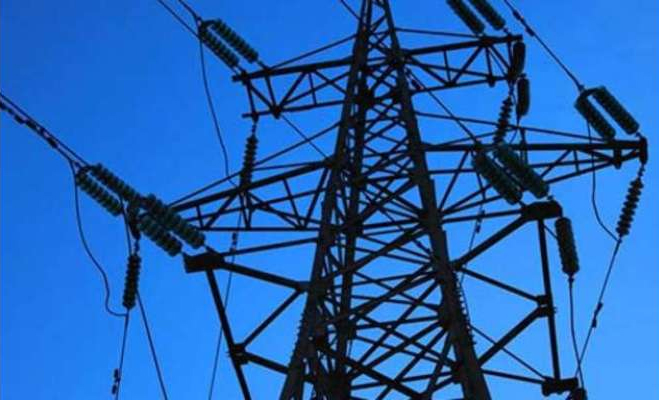
Islamabad: The government has decided to abolish the existing electricity subsidy system under which ordinary consumers using up to 200 electricity units receive subsidized rates, replacing it with a targeted mechanism linked to social welfare records.
According to media reports, the move is being introduced as part of reforms agreed with the International Monetary Fund (IMF). Under the new policy, electricity subsidies will no longer be based solely on electricity consumption but on the financial status of consumers.
Government sources said Pakistan has informed the IMF in writing that the current subsidy structure will be revised within the next eight months. Starting from January 2027, the general subsidy for consumers using up to 200 units will be discontinued and restricted only to eligible low-income households.
Under the new system, only consumers registered as deserving beneficiaries in the Benazir Income Support Programme (BISP) and the National Socio-Economic Registry (NSER) will qualify for electricity subsidies.
Officials stated that the existing system had several loopholes, with some households installing multiple electricity meters to keep individual consumption below 200 units and continue receiving subsidies despite being financially stable.
The government said the World Bank is assisting in the development of the new mechanism, while an external firm will oversee transparency and monitoring of the system.
In addition, the government plans to expand the “e-Abiana” irrigation revenue system nationwide after its implementation in Punjab. The system is expected to be introduced in Sindh, Khyber Pakhtunkhwa, and Balochistan, with irrigation water charges regulated according to operational and maintenance costs.
Sources further said Pakistan is close to receiving the second tranche of $200 million under the IMF’s Resilience and Sustainability Facility. The IMF Executive Board is expected to discuss and approve the amount during its meeting in Washington on May 8, 2026.