Headline: Protein-Rich Fruits: Healthy Choices to Add Natural Protein to Your Diet
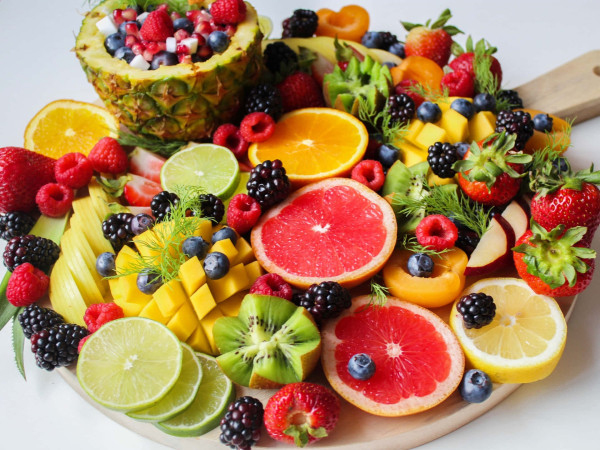
Karachi: It is widely believed that protein can only be obtained from foods like meat, eggs, or legumes. However, several fruits can also contribute a reasonable amount of protein to your daily diet while providing a range of other essential nutrients.
Although fruits are not generally considered a primary source of protein, some varieties stand out for offering moderate amounts along with vitamins, fiber, and antioxidants. Among the most notable are guava, avocado, pomegranate, apricot, and kiwi.


Guava
Guava is a popular fruit in warm climates and is one of the richest fruits in terms of protein content. One cup of guava provides approximately 4.2 grams of protein, the highest among these fruits. Interestingly, the protein content can even be slightly higher than that found in egg whites. Guava is also extremely rich in vitamin C, containing nearly four times more than oranges, exceeding the recommended daily requirement. Most of its nutrients are found in the peel, so eating it unpeeled is considered more beneficial.
Avocado
Avocado is another fruit known for its protein content. One cup of avocado contains around 3 grams of protein, roughly half the amount found in almonds by weight. It also contains about 22 grams of healthy monounsaturated fats, which are beneficial for heart and brain health. In addition, a single cup can provide more than one-third of the daily recommended fiber intake, supporting healthy digestion.
Pomegranate
Pomegranate may appear to be a simple fruit, but nutritionally it is often described as a “superfood.” One cup of pomegranate seeds contains approximately 2.9 grams of protein. The edible seeds are the main source of its nutrients. Pomegranates are rich in antioxidants, which help reduce inflammation and protect the body’s cells from damage. Although extracting the seeds requires some effort, the health benefits make it worthwhile.
Apricot
Apricots, which resemble peaches in shape, are loved for their slightly sweet and tangy flavor. One cup of apricots provides around 2.3 grams of protein. They are also rich in beta-carotene, the compound responsible for their bright orange color and beneficial for eye health. Beta-carotene may also help protect against conditions such as macular degeneration. Since the peel is edible, apricots can be eaten without peeling.
Kiwi
Kiwi is a small but highly nutritious fruit. One cup of kiwi contains about 2.1 grams of protein and 5.4 grams of fiber. It also provides important nutrients such as vitamin C, vitamin E, and folate, which support the immune system, digestion, and metabolism. For additional fiber, kiwi can be eaten with the peel, although many people prefer it peeled.
If you are looking to add a small amount of natural protein to your diet, these fruits can be a healthy and flavorful option while offering many additional nutritional benefits.