Managing Hypertension During Ramadan: Essential Health Tips
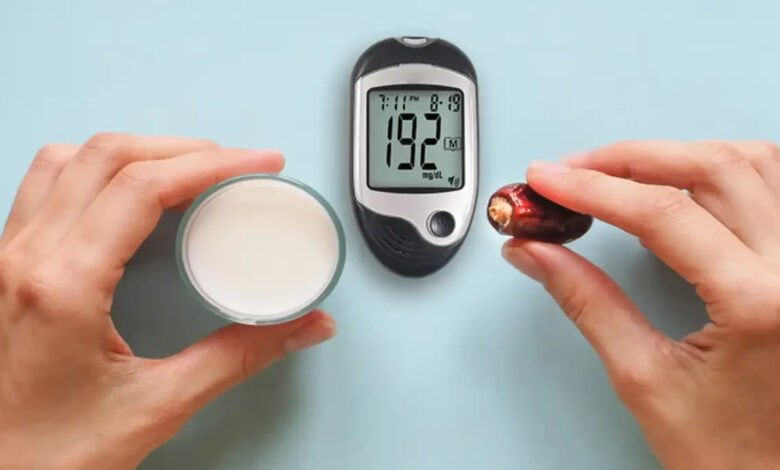
Patients with hypertension (high blood pressure) need special care during Ramadan, as changes in eating habits, hydration levels, and daily routines while fasting can significantly affect blood pressure levels. Here are important medical guidelines to help manage blood pressure safely during the holy month.
### 1. Follow Your Medication Schedule Carefully


Hypertensive patients should avoid making changes to their prescribed medication routine without consulting a doctor. Health experts advise:
* Do not alter dosage timing on your own.
* Many doctors recommend taking blood pressure medication after Taraweeh prayers rather than immediately at Iftar, depending on individual medical advice.
* If a dose is missed, do not double it the next day. Continue with your regular prescribed dose.
Always consult your physician before Ramadan to adjust medication timing if necessary.
### 2. Reduce Salt Intake
Excessive salt consumption can raise blood pressure. During Sehri and Iftar:
* Avoid salty and processed foods such as chips, pickles, chutneys, and fried parathas.
* Include fresh vegetables and fruits in your diet.
* Use minimal salt in home-cooked meals.
A balanced, low-sodium diet helps maintain stable blood pressure levels.
### 3. Stay Properly Hydrated
Dehydration can negatively impact blood pressure. From Iftar to Sehri:
* Aim to drink at least 8–10 glasses of water.
* Avoid excessive caffeinated beverages, as they may contribute to dehydration.
Proper hydration supports overall cardiovascular health.
### 4. Choose Low-Fat Dairy Products
Low-fat milk can be beneficial for people with hypertension. It contains essential nutrients while being lower in saturated fat, which supports heart health and blood pressure control.
### 5. Manage Stress
Stress can elevate blood pressure levels. During Ramadan, try to:
* Practice deep breathing exercises.
* Engage in light meditation.
* Focus on prayer and spiritual reflection.
These practices may help stabilize blood pressure.
### 6. Eat Balanced Meals at the Right Time
* Break your fast with dates and water.
* Follow with a light and balanced meal.
* Avoid heavy, oily, and fried foods, as they can strain the heart and raise blood pressure.
### 7. Incorporate Light Exercise
Even while fasting, light physical activity such as walking can help regulate blood pressure. The best time for mild exercise is after Iftar. However, consult your doctor before starting or continuing any exercise routine.
### 8. Get Adequate Sleep
Lack of sleep can worsen blood pressure control. Try to maintain a consistent sleep schedule during Ramadan to reduce physical stress on the body.
### 9. Monitor Blood Pressure Regularly
Regular monitoring during Ramadan is essential. If you notice consistently high readings or symptoms such as dizziness, severe headaches, or chest discomfort, seek medical advice immediately.
—
By following these precautions, individuals with hypertension can observe fasting more safely. However, personal medical consultation remains crucial to ensure that fasting does not compromise health.