Pakistan vs Australia T20: Controversy Over Babar Azam’s LBW Sparks Debate
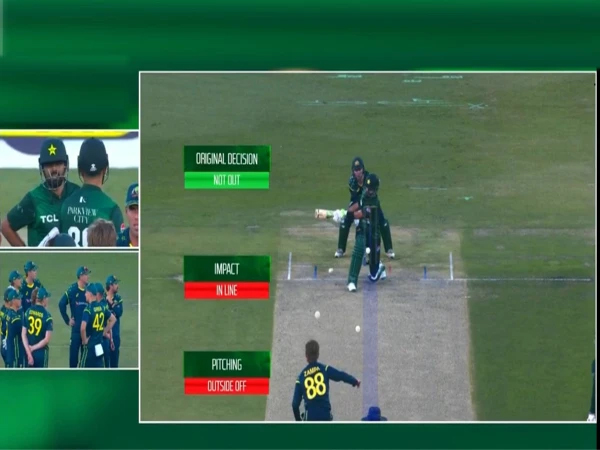
Lahore: Questions were raised over umpiring decisions in the first T20 match between Pakistan and Australia, played on January 29, as a controversial LBW decision against Babar Azam left fans frustrated and surprised.
The incident occurred when Babar attempted a reverse shot, changing his stance before the ball was delivered, effectively becoming a left-handed batsman for that shot. The ball struck his pad, and replays showed that the impact was in line with the stumps and the ball had pitched outside off-stump.


Worst TV umpiring last night on Babar Azam LBW Decision۔ When Babar switched hands, he became like a left-handed batter, and the ball hit his leg. TV umpire is saying that it was pitching on the leg side. How can that be?
— Rashid Latif | 🇵🇰 (@iRashidLatif68) January 30, 2026
Despite this, the TV umpire initially ruled that the ball had pitched on the leg side, generating widespread confusion. The on-field umpire intervened, clarifying that Babar was a right-handed batsman and checked ball-tracking again, eventually giving him out.
The decision drew criticism from fans and amusement from the Australian media, with discussions focusing on the interpretation of LBW laws during reverse shots.
According to cricket laws, the off-side and leg-side are determined when the bowler begins their run-up, not when the batsman plays the shot. Under MCC rules, if a batsman changes stance to play a reverse shot, the original off-side and leg-side remain for LBW purposes. This means that even if the ball appears to pitch outside the off-stump after the stance change, an LBW decision is based on the batsman’s original stance.
This incident has reignited debate about LBW rules in modern T20 cricket, particularly when batsmen play innovative shots like reverse sweeps.