National Assembly Approves Amendments to Elections Act 2017; Federal Constitutional Court, Asset Privacy Among Key Changes
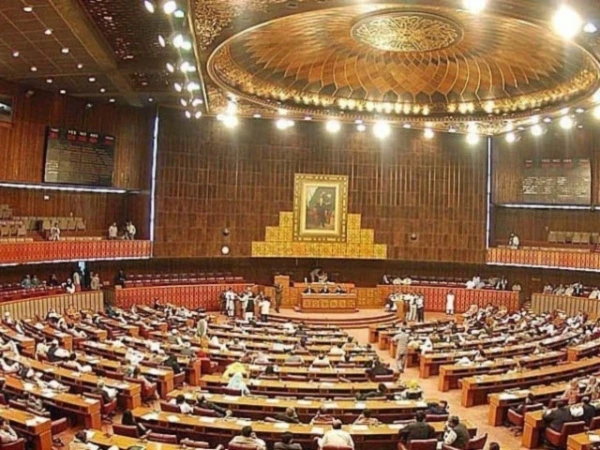
Islamabad: The National Assembly of Pakistan has passed a bill amending the Elections Act 2017, formally introducing the Elections (Amendment) Act 2026, which will come into immediate effect.
The amendments, presented by MNAs Shazia Marri, include major changes regarding electoral disputes, the publication of lawmakers’ assets, and the role of the judiciary.


Key Amendments:
Federal Constitutional Court Role:
The bill replaces references to the “Supreme Court” with the Federal Constitutional Court in several sections (9, 66, 104, 104A, 155, 202, 212, 232) of the Elections Act. The court will now have jurisdiction over appeals, legal interpretation, and election disputes, clarifying its role across multiple legal forums.
Protection of Members’ Assets:
Under Section 138, the Speaker of the National Assembly or Chairman of the Senate now has the authority to withhold the publication of a member’s assets if disclosure poses security or safety risks. Members can request confidentiality, and details may remain secret for up to one year, while full and accurate asset records must still be submitted confidentially to the Election Commission of Pakistan (ECP).
Balance Between Transparency and Privacy:
The bill emphasizes that protecting personal safety and privacy is a key objective while maintaining transparency and accountability. Assets will only be published with the consent of the member or approval from the Speaker/Chairman, ensuring that unnecessary disclosure does not endanger members or their families.
Legal and Appeals Jurisdiction:
The amendments give the Federal Constitutional Court authority over constitutional interpretation, appeals, and review of ECP decisions, such as reruns at polling stations, disqualification matters, and political party bans. This change is intended to streamline appeals and centralize constitutional oversight under one federal court rather than dividing it between forums.
Other Bills Presented in the National Assembly:
Criminal Procedure (CRPC) Amendment Bill 2026: Proposed changes to Sections 174B and 174C, referred to the Standing Committee for review.
Constitutional Amendment Bill on Reserved Women Seats: Sponsored by PTI member Aslam Ghuman, proposing direct election for women in National and Provincial Assemblies (Articles 51 and 106).
Constitution Amendment Bill 2026: Presented for review; referred to the Standing Committee for detailed consideration.
Fatima University of Science & Technology Bill 2025: Introduced by MNA Natasha Daultana.
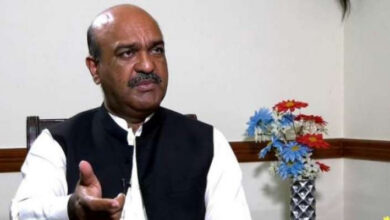
During the debate, Barrister Gohar opposed the Elections Amendment Bill, arguing that cases currently handled by the Supreme Court will now go to the Federal Constitutional Court, including matters that may not require constitutional interpretation. Law Minister Azam Nazir Tarar countered that many electoral matters, including political party bans and floor-crossing cases, are constitutional in nature and fall under the court’s jurisdiction.
The amendment also ensures that MPs’ and senators’ assets cannot be published without their consent, and the Election Commission cannot release this information without approval from the Speaker or Chairman, addressing security concerns raised by Shazia Marri.