India Agrees to Ceasefire After Pakistan’s ‘Operation Bunyān Marsūs’ Strikes Back Hard
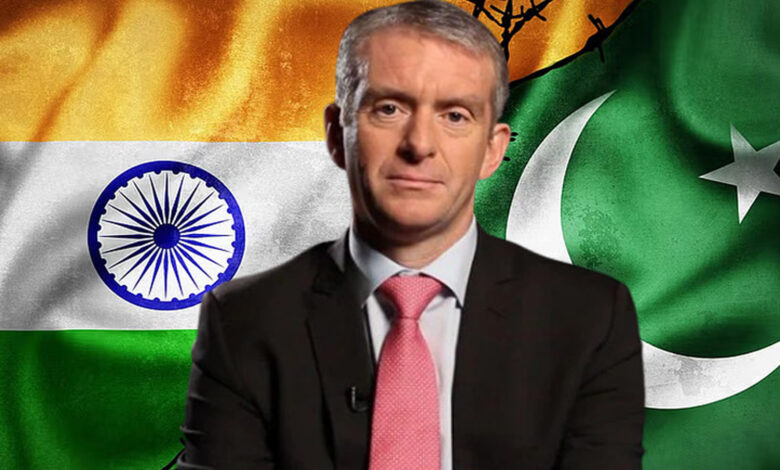
Following the success of Pakistan’s retaliatory military campaign, ‘Operation Bunyān Marsūs,’ the Indian government led by Prime Minister Narendra Modi has agreed to a ceasefire, effectively stepping back from its aggressive posture.**
For days, international efforts to broker peace between India and Pakistan had failed. During this time, the Modi administration—emboldened by military confidence—continued launching drone incursions and missile strikes on Pakistani territory, often targeting civilian areas.


In a significant escalation late Friday night, Indian forces launched attacks on several Pakistani airbases. In response, Pakistan’s military unleashed a powerful counteroffensive, targeting and destroying multiple Indian military installations.
The turning point came after Pakistan’s decisive strikes, which reportedly rendered several Indian airbases non-operational and destroyed significant arms stockpiles. According to U.S. journalist **Nick Robertson**, these developments forced India onto the back foot and ultimately led to its willingness to pursue a ceasefire.
Speaking to an American news outlet, Robertson revealed that while global diplomatic efforts had been ongoing for days, they only gained traction after Pakistan’s military retaliation. *“India proposed a ceasefire only after Pakistan’s strong military response,”* Robertson said. *“Over the past 48 hours, ceasefire talks intensified. Pakistan initially held back, hoping diplomacy would work, but once India launched a missile strike near Islamabad, diplomacy collapsed.”*
He further disclosed that India, realizing the intensity of the backlash, quickly reached out to **Turkey, Saudi Arabia, and the United States** for mediation. These diplomatic engagements ultimately paved the way for the ceasefire agreement between the two nuclear-armed nations.
The developments mark a significant moment in South Asian geopolitics, with Pakistan demonstrating both military capability and restraint, while international actors played a crucial role in preventing further escalation.