ISI, IB Submit Report Claiming Viral ‘Chaiwala’ Arshad Khan Is Afghan Citizen; Court Case Deferred Indefinitely
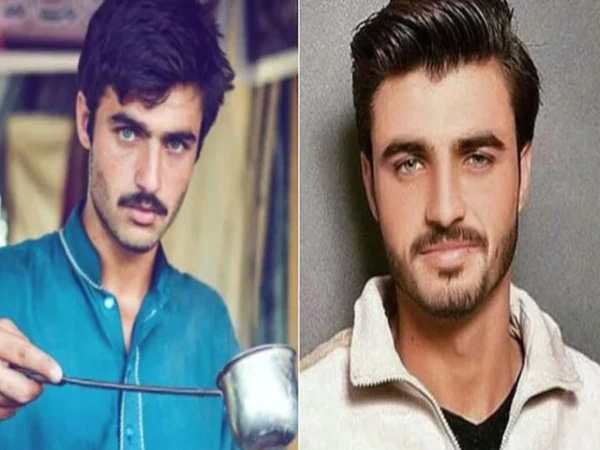
Rawalpindi, Pakistan: The Rawalpindi Bench of the Lahore High Court has indefinitely postponed the hearing on the citizenship case of Arshad Khan, famously known as the “Chaiwala” whose photo went viral on social media in 2016. During the hearing, the Inter-Services Intelligence (ISI) and the Intelligence Bureau (IB) submitted reports to the court stating that Arshad Khan is an Afghan national.
Justice Jawad Hassan presided over the session. A representative from the National Database and Registration Authority (NADRA) requested additional time to submit a more comprehensive report, which the court accepted. Arshad Khan’s legal counsel also sought time to file a detailed response, which was granted. Deputy Attorney General Sajid Tanoli appeared on behalf of the federal government.
According to the intelligence reports, Arshad Khan’s original name is “Zar Khan,” and his father is Baz Muhammad Khan. The reports claim he is of Afghan origin.
However, the petition submitted by Arshad Khan’s legal team asserts that he was born in 1999 in Shah Allah Ditta, Islamabad, and received his early education at a local government school. His father reportedly obtained a Pakistani passport in 1984 and worked in Saudi Arabia from 1989.
The petition also states that Arshad has been running a tea stall at the Islamabad Sunday Bazaar since the age of 17. He was issued a NADRA identity card in 2017 and a passport in 2016 after verification of all necessary documents by both NADRA and the Passport Office.
The petition argues that the blocking of Arshad’s ID card and passport is unlawful and has severely impacted his livelihood. It further notes that Arshad’s international fame brought significant foreign exchange to Pakistan via social media engagements and brand collaborations.
The petitioner maintains that Arshad Khan has never traveled to Afghanistan, nor does he possess any Afghan identification documents. It was also noted that demands for property ownership records dating back to before 1978 are unreasonable for a family of limited means.
As of now, the case remains unresolved, and Arshad Khan’s citizenship status continues to hang in the balance.