Asad Qaiser Terms Federal Constitutional Court’s Barring Peshawar High Court From Hearing PTI Workers’ Cases Extremely Regrettable
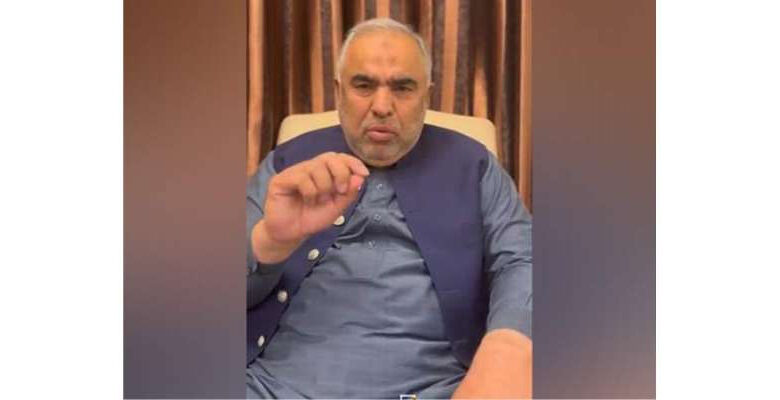
ISLAMABAD (Daily Qudrat): PTI leader Asad Qaiser has termed the Federal Constitutional Court’s barring of the Peshawar High Court from hearing PTI workers’ cases extremely regrettable. In a tweet on X, he said that the Federal Constitutional Court’s barring of the Peshawar High Court from hearing the cases of PTI’s innocent workers, who were arrested under MPO, is extremely regrettable and worrying.
In the current circumstances, when the situation of basic human rights in the country has become serious, if the people do not knock on the door of the judiciary for justice, then where will they go? This very conduct is causing the erosion of the people’s trust in the judiciary and other state institutions.


When state institutions appear helpless before powerful individuals and ordinary citizens face obstacles in obtaining justice, it is natural for the people’s trust in these institutions to erode.
The Constitution of Pakistan gives every citizen the basic right to peaceful political struggle, protest and difference of opinion, but the use of black laws like MPO to suppress this constitutional right, illegal arrests of public representatives and ordinary political workers and raids on their homes are serious violations of the sanctity of private space.
Making political disagreement a crime and stopping peaceful political struggle through force is unacceptable under any circumstances.
وفاقی آئینی عدالت کی جانب سے پشاور ہائی کورٹ کو پی ٹی آئی کے ان بے گناہ کارکنان کے مقدمات کی سماعت سے روکنا، جنہیں ایم پی او کے تحت گرفتار کیا گیا ہے، انتہائی افسوس ناک اور تشویش ناک ہے۔ موجودہ حالات میں جب ملک میں بنیادی انسانی حقوق کی صورتحال سنگین ہو چکی ہے، عوام انصاف کے لیے عدلیہ کا دروازہ نہ کھٹکھٹائیں تو آخر کہاں جائیں۔ یہی طرزِ عمل عوام کا عدلیہ اور دیگر ریاستی اداروں پر اعتماد ختم کرنے کا باعث بن رہا ہے۔ جب ریاستی ادارے طاقتور افراد کے سامنے بے بس دکھائی دیں اور عام شہریوں کو انصاف کی فراہمی میں رکاوٹیں درپیش ہوں تو عوام کا ان اداروں سے اعتماد اٹھنا فطری امر ہے۔ آئینِ پاکستان ہر شہری کو پُرامن سیاسی جدوجہد، احتجاج اور اختلافِ رائے کا بنیادی حق دیتا ہے، لیکن اس آئینی حق کو دبانے کے لیے ایم پی او جیسے کالے قانون کا استعمال، عوامی نمائندوں اور عام سیاسی کارکنوں کی غیر قانونی گرفتاریاں اور ان کے گھروں پر چھاپے چادر و چار دیواری کے تقدس کی سنگین پامالی ہیں۔ سیاسی اختلاف کو جرم بنانا اور پُرامن سیاسی جدوجہد کو طاقت کے ذریعے روکنا کسی صورت قابلِ قبول نہیں۔ عدلیہ کی بنیادی ذمہ داری شہریوں کے آئینی و قانونی حقوق کا تحفظ اور انہیں بلا امتیاز انصاف کی فراہمی ہے۔ ہم مطالبہ کرتے ہیں کہ بے گناہ سیاسی کارکنوں کے خلاف غیر قانونی کارروائیاں فوری بند کی جائیں، ایم پی او کے تحت گرفتار کارکنوں کو رہا کیا جائے اور انہیں انصاف کے حصول کے لیے مؤثر قانونی راستہ فراہم کیا جائے۔ عدلیہ کو عوام کے اعتماد کی بحالی کے لیے اپنے آئینی کردار کو پوری آزادی اور غیر جانب داری کے ساتھ ادا کرنا ہوگا۔
— Asad Qaiser (@AsadQaiserPTI) November 5, 2026
The judiciary’s basic responsibility is the protection of citizens’ constitutional and legal rights and providing them justice without discrimination. We demand that illegal actions against innocent political workers be stopped immediately, workers arrested under MPO be released and an effective legal path be provided for them to obtain justice. The judiciary must fulfil its constitutional role with full independence and impartiality to restore the people’s trust.
It may be recalled that the Federal Constitutional Court has ruled that all proceedings filed in the Peshawar High Court under Article 199 of the Constitution on or after 12 October 2026 shall remain suspended. The court, issuing notices to all parties on the matter, has also sought a response from the Attorney General of Pakistan. Chief Justice Aminuddin Khan has issued a four-page written order on appeals filed against the decisions of various division benches of the Peshawar High Court.
The court, directing the Advocate General of Khyber Pakhtunkhwa to submit a detailed report within seven days, has said that the report should identify the areas where the presence of armed forces for the assistance of the civil administration is no longer required. According to the written order, after reviewing the Advocate General’s report, the court will consider amending the order suspending proceedings under Article 245(4) of the Constitution. The court held that the legal points raised by the Advocate General of Khyber Pakhtunkhwa are important and require serious consideration, while it is also necessary to review the Peshawar High Court’s decision in the Aftab Alam case.