Pakistan Faces Risk of LNG Shortage This Winter Amid Middle East Tensions
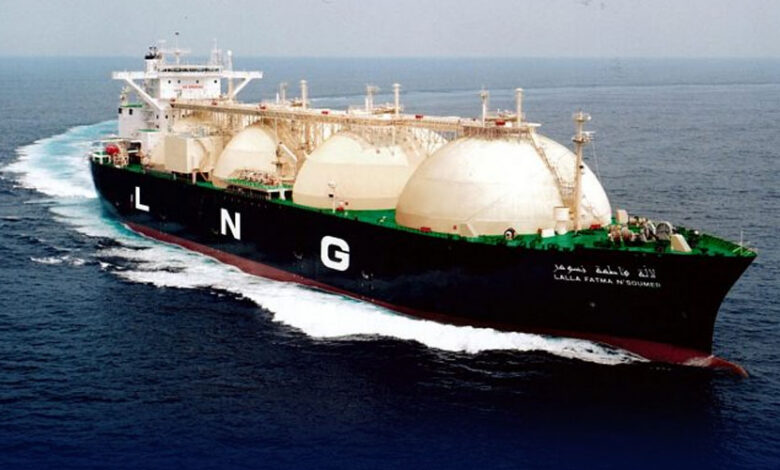
ISLAMABAD: Pakistan could face a further reduction in liquefied natural gas (LNG) supplies during the coming winter due to escalating tensions in the Middle East, while the government remains reluctant to purchase expensive spot cargoes from the international market to protect foreign exchange reserves and shield consumers from additional financial burdens.
Importing costly LNG cargoes between November and February could require around $2 billion in foreign exchange, but the government’s decision to proceed with the proposed imports remains pending.


The Petroleum Division had sought approval to import 22 LNG cargoes from the United States, Azerbaijan and other countries to meet the country’s winter gas requirements. It also requested emergency approval to procure 12 cargoes between October 7 and 10. However, the required approval was not granted, leaving the proposed $2 billion LNG import plan for the winter season undecided.
Meanwhile, regional tensions have led to a further extension until November of the suspension of LNG supply agreements with Qatar. Two Qatari LNG cargoes arrived in Pakistan in October, and gas supplies from these shipments have already begun.
Under existing agreements, Pakistani buyers pay approximately $14 to $15 per million British thermal units (MMBtu) for Qatari LNG. In contrast, prices in the international spot market have climbed to as high as $30 per MMBtu, making alternative supplies significantly more expensive.
The government is reluctant to purchase LNG at these elevated rates, as doing so could put additional pressure on the country’s foreign exchange reserves and increase the financial burden on consumers. However, avoiding expensive imports could aggravate the gas shortage during the winter months.
In the event of a supply shortfall, gas deliveries to industries, power plants, fertiliser manufacturers, compressed natural gas (CNG) stations and cement factories could be suspended or restricted. Domestic consumers could also face increased gas load-shedding during the colder months.
Separately, the Petroleum Division’s summary concerning gas load management has yet to be taken up by the Cabinet Committee on Energy. As a result, the government’s final strategy for managing gas supplies during the winter season also remains undecided.
The combination of uncertainty over Qatari supplies, delays in approving alternative LNG imports and high international spot prices could intensify Pakistan’s winter gas crisis, affecting households and key economic sectors alike.


