US Media Report Raises Concerns Over Working Conditions in Pakistani Factories Supplying Global Fashion Brands
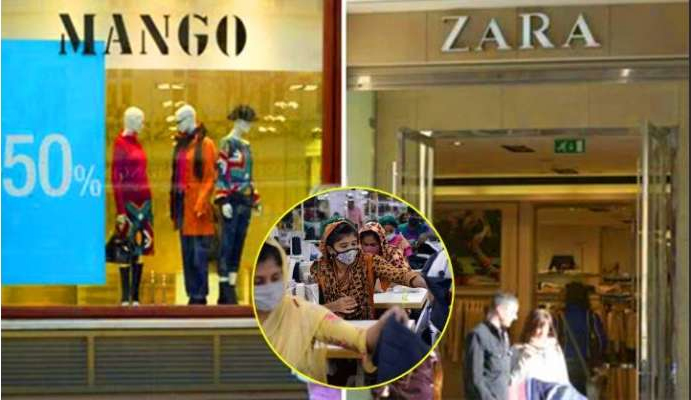
KARACHI: Workers producing garments for international fashion brands in Pakistan are reportedly facing serious health risks due to extreme heat, inadequate workplace safety measures and wage deductions, according to an investigative report by the Associated Press (AP).
The report, published on October 21 and also carried by Hong Kong-based newspaper the South China Morning Post, highlighted conditions in several garment factories in Karachi, where workers reported fainting, breathing difficulties, blurred vision and other heat-related health problems.
According to AP, more than a dozen garment workers were interviewed in Karachi. All described excessive workplace heat and related health concerns, while 10 said they produced goods for international brands sold in the United States and Europe.
Nearly all the workers interviewed alleged that their wages were deducted when they became ill and took time off work. Several requested anonymity, citing fears of dismissal or retaliation.
Female Garment Worker Reportedly Collapses at Factory
The report highlighted the experience of a 28-year-old female garment worker identified by her surname, Siddiqui, who reportedly earns just Rs15,000 a month while supporting six children.
She said she worked at a factory producing clothing for Spanish fashion brands Zara and Mango. According to her account, heat generated by heavy machinery, poor ventilation and humid conditions caused her to become dizzy, experience a rapid heartbeat and suffer impaired vision while working.
Siddiqui reportedly said her colleagues called a supervisor when her condition deteriorated, but she was instructed to finish her work. She subsequently collapsed and had to be taken to a hospital.
The worker alleged that factory management did not cover her medical expenses, leaving her family struggling to meet basic food and household needs.
Broken Fans, Poor Ventilation and Inadequate Breaks
Workers interviewed by AP described inadequate cooling and ventilation systems in some factories, including broken or insufficient fans, small windows and heat accumulating inside buildings because of heavy machinery.
They also reported that some workplaces lacked equipment to monitor temperature and humidity, while adequate supplies of cool drinking water and additional rest breaks were not consistently available during periods of extreme heat.
One worker alleged that a factory’s ventilation system was switched on only when inspection teams visited.
Others claimed that when workers fainted, they were sometimes given a short rest or a sugary drink before being instructed to resume their duties.
Extreme Heat Poses Serious Health Risks
Medical experts warn that prolonged work in high temperatures and humidity can cause dehydration, heatstroke, abnormal blood pressure changes and damage to vital organs, including the heart and kidneys.
Workers cited in the report described symptoms including swollen hands and feet, temporary muscle weakness, breathing difficulties, blurred vision and severe fatigue.
Andreas Flouris, an expert who studies the effects of heat on human health, said industrial facilities could take relatively simple and inexpensive measures to protect employees.
These include monitoring indoor temperatures, providing cool drinking water, ensuring adequate rest breaks, improving ventilation and reducing heat generated by machinery.
Zara and Mango Respond to Workplace Safety Concerns
The report also included responses from the international fashion companies associated with the factories.
Inditex, the parent company of Zara, said it was strengthening measures to address the risks posed by extreme heat across its supply chain. The company cited factory inspections, supplier guidance, training and cooperation with relevant industry programmes as part of its efforts to improve worker protection.
Mango described employee health and safety as a fundamental priority. A company spokesperson said its supplier code of conduct had been updated this year to clarify requirements relating to high temperatures and heat-related workplace safety.
The report did not establish that either company had directly caused the conditions described by the workers.
Sindh Government Acknowledges Enforcement Challenges
Pakistan has national and provincial laws intended to protect workers, but effective enforcement remains a significant challenge, according to the report.
Sindh government spokesperson and provincial lawmaker Saadia Javed told AP that the government was working to ensure compliance with relevant legislation. However, she acknowledged that the province’s extensive geographical area and large number of industrial zones created difficulties, with complaints continuing to emerge.
The report also noted that an international agreement concerning worker health and safety in the textile and garment industry recognised extreme heat as a workplace hazard in 2025, with protective procedures announced as part of the initiative. Specific regulations related to the issue were still under review, according to the report.
Climate Change Adds to Pressure on Pakistan’s Garment Industry
Labour rights experts warn that rising temperatures associated with climate change are becoming an increasingly serious challenge for Pakistan’s industrial sector.
They argue that protecting workers requires action not only from local factory owners but also from international buyers, which have a role in ensuring that suppliers maintain safe working conditions.
The findings have renewed concerns about workplace safety, fair wages and accountability in Pakistan’s garment manufacturing industry, which supplies products to major international markets.
Experts say effective temperature monitoring, proper ventilation, access to drinking water, adequate rest periods and stronger enforcement of labour laws are essential to protect workers from preventable heat-related illnesses.