“The Entire System Needs to Change”: Asma Shirazi Calls for New Provinces and a New Social Contract
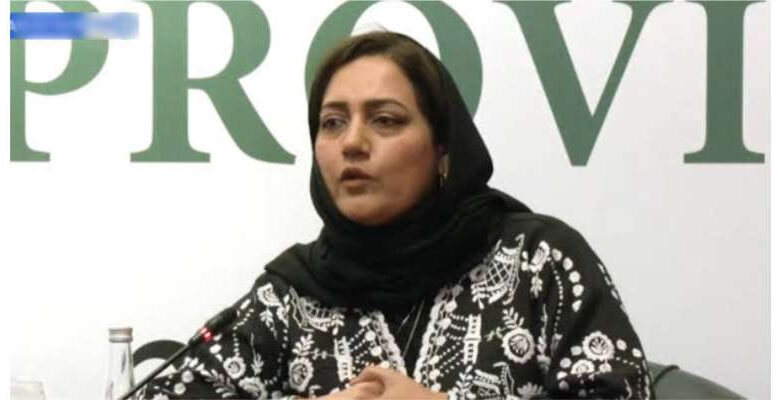
LAHORE: Senior journalist Asma Shirazi has called for fundamental changes to Pakistan’s governance system, arguing that the debate over creating new provinces has become a struggle over political authority rather than merely an administrative issue.
Speaking at an event, Shirazi said political parties, powerful institutions and other stakeholders were reluctant to relinquish control, making it difficult to establish new provinces despite demands and resolutions in favour of administrative restructuring.
She argued that Punjab particularly needed a new province but questioned whether the political establishment in Lahore was willing to share its power.
“The entire system needs to change. The issue of provinces has essentially become a struggle over authority,” she said, adding that Pakistan needed a new social contract to address the underlying problems.
New Provinces: A Question of Political Authority
Shirazi noted that resolutions calling for the creation of new provinces had already been introduced in Punjab and Khyber Pakhtunkhwa, but questioned what forces were preventing their implementation.
She referred to recent administrative arrangements in Khyber Pakhtunkhwa, where 12 districts affected by terrorism had been designated as administrative units.
She also cited Balochistan, saying the provincial chief minister had stated that every district had been converted into an administrative unit.
According to Shirazi, administrative restructuring had begun in Khyber Pakhtunkhwa and Balochistan, where the influence of powerful institutions was more pronounced.
یہ پورا نظام بدلنا چاہیے!!عاصمہ شیرازی


صوبوں پر بات کرنے میں کوئی ہچکچاہٹ نہیں ہونی چاہیے ۔۔۔
اب یہ اختیار کا معاملہ ہو گیا ہے اب یہ اقتدار کا معاملہ نہیں رہا ۔۔۔
اصل میں اختیار کی لڑائی ہے جو سیاسی جماعتیں ، مقتدرہ یا دوسرے سٹیک ہولڈرز اپنے ہاتھوں نے نہیں نکالنا چاہتے ۔۔ یہ پورا نظام بدلنا چاہیے ۔۔اس کے لیے ایک نئے Social Contract کی ضرورت ہے۔
اختیارات عوام کے ہاتھ میں ہونے چاہیے کسی اور کے ہاتھ میں نہیں ہونے چاہیے ۔۔عاصمہ شیرازی
— Exact Press International (@ExactPressIntl) October 22, 2026
However, she cautioned that new provinces could not be imposed on the people of Sindh against their wishes, stressing that such changes could not be achieved through force.
Punjab Needs a New Province, Says Shirazi
Shirazi argued that creating a new province in Punjab was particularly important because residents of distant areas, including Dera Ghazi Khan, had to travel hundreds of kilometres to Lahore to access government services.
She said many people in these areas wanted new provinces to improve administration and access to public services.
However, she questioned whether the political leadership based in Lahore was prepared to divide Punjab’s administrative and political authority.
“Does the throne of Lahore want to be divided?” she asked.
Electoral Politics and Concentration of Power
Shirazi argued that Pakistan’s political structure encouraged parties to concentrate on winning elections in Punjab rather than improving their performance across all provinces.
She pointed out that securing approximately 180 seats in Punjab could enable a party to form a federal government, reducing its incentive to prioritise political performance in Balochistan and Khyber Pakhtunkhwa.
According to her, this concentration of political influence was central to resistance against the creation of new provinces.
She maintained that the dispute was not simply about gaining or losing political office but about whether established power centres were willing to share decision-making authority.
Concluding her remarks, Shirazi called for a comprehensive restructuring of the system and the development of a new social contract that would address the distribution of authority and improve governance across the country.


