KP to Regulate Madrasas Under National Action Plan, Says Adviser Samar Haroon Bilour
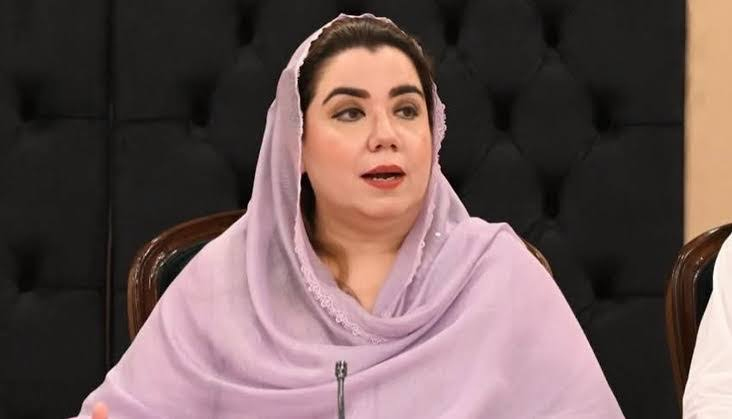
PESHAWAR: Khyber Pakhtunkhwa Adviser on Information Samar Haroon Bilour has said that religious seminaries (madrasas) across the province will be regulated under the National Action Plan (NAP), with authorities examining their curricula, teaching practices and possible links of individuals associated with them.
Speaking on Samaa News, Bilour said the regulation of madrasas was already included in the National Action Plan and had been discussed in detail during the recent Apex Committee meeting in Peshawar.
She said the federal government had formally communicated the relevant provision to the provincial government and had also raised the matter directly during meetings.
According to Bilour, concerns have emerged that some people completing their education in the existing system are not adequately equipped for employment.
She said authorities would need to monitor what was being taught in madrasas, what curricula they followed and whether individuals associated with these institutions had links requiring investigation.
Bilour also referred to a school in Khyber Pakhtunkhwa where a roof had collapsed, saying a madrasa operated on the premises after 2pm.
She maintained that regulatory action had previously been avoided out of concern that it might upset a particular segment of society.
“However, the entire province of Khyber Pakhtunkhwa cannot be allowed to burn,” she said, adding that all stakeholders had agreed on the need to address the issue during the Apex Committee meeting.
بلی بلے کے ساتھ قابل اعتراض حالت میں تھیلے سے برآمد ۔
آج فیصلہ ہوا کہ مدارس کو ریگولرائز کیا جائے گا ہمیں چیک رکھنا پڑے گا کہ مدارس میں کیا پڑھایا جا رہا ہے کیا سکھایا جا رہا ہے اور ان کے پیچھے کس کے ساتھ لنکس ہیں ! ثمر عرفان اللہ مروت ۔
امن و امان کا بہانہ بنایا گیا ہے اصل مقاصد ان کے کچھ اور ہیں ۔۔
— AMJAD KHAN (@iAmjadKhann) October 22, 2026
Security Forces Target Terrorist Networks Within Four Months
Meanwhile, Federal Adviser on Political Affairs Rana Sanaullah said the military leadership had briefed participants at the Peshawar Apex Committee meeting on counterterrorism operations and the prevailing security situation.
Speaking on Samaa News, Sanaullah said the military leadership had expressed its determination to eliminate terrorism, with a target of clearing terrorist networks within four months.
He explained that terrorist formations could comprise between three and 15 individuals.
According to intelligence reports cited by Sanaullah, 201 such formations were operating across 12 terrorism-affected districts of Khyber Pakhtunkhwa.
He said these formations were not necessarily organised into large groups but were present within populated areas, making counterterrorism operations more difficult.
Sanaullah said security agencies had repeatedly urged local residents either to help remove militants from their communities or to allow residents to move out temporarily so that security forces could conduct operations.
He added that if neither option was accepted, authorities could not allow militants to continue establishing themselves in populated areas.
Political Cooperation and Counterterrorism
Sanaullah also alleged that when residents cooperated with security forces, the government led by Sohail Afridi encouraged people not to cooperate.
The remarks come amid renewed discussions about strengthening security, improving coordination between federal and provincial authorities, and implementing the National Action Plan in Khyber Pakhtunkhwa.
The proposed regulation of madrasas and the stated four-month counterterrorism target are expected to remain key issues in the province’s security and governance agenda.