Mecca Alliance’s Collective Deterrence Will Be Activated if Talks Fail and Military Conflict Erupts: DG ISPR
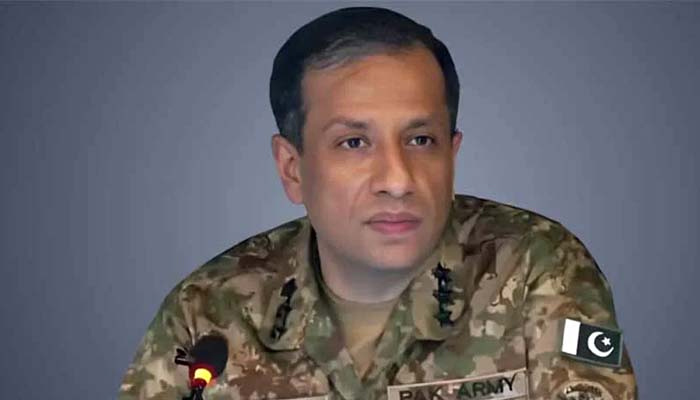
RAWALPINDI: Director General of Inter-Services Public Relations (DG ISPR) Lieutenant General Ahmed Sharif Chaudhry has stressed the need for a negotiated settlement to the Middle East conflict, warning that the Mecca Alliance’s collective deterrence would come into play if diplomatic efforts fail and military confrontation occurs.
In an interview with an Arab television channel, the military spokesperson said the Mecca Joint Defence Agreement had progressed in a very short period and represented the collective vision of three countries.


He said protecting Saudi Arabia’s sovereignty, territorial integrity and the two holy mosques was Pakistan’s foremost priority, adding that no compromise could be made on the security of the Haramain Sharifain.
“Pakistan’s position is absolutely clear and unequivocal,” he said, adding that the country’s message had already been conveyed through its political leadership and the Field Marshal.
Lieutenant General Ahmed Sharif Chaudhry said attacks on the holy sites had caused deep anger among the Pakistani public as well as the country’s political and military leadership.
He cautioned that escalating tensions and expanding the conflict at any level would benefit no country. He added that further expansion of the military confrontation in the Middle East was not in anyone’s interest.
The DG ISPR reiterated that reaching a negotiated settlement was essential. However, he said the Mecca Alliance’s collective deterrence would be activated if negotiations failed and military confrontation followed.
He clarified that the alliance’s leadership and course of action were clearly defined and that it had no aggressive intentions.
Pakistan, Saudi Arabia and Türkiye, he said, shared a commitment to regional peace, stability and prosperity. The alliance was not directed against any particular country but aimed to promote peace, security and stability across the region.
Concluding his remarks, the military spokesperson stressed that Muslims needed to unite rather than engage in conflict with one another, emphasising the importance of solidarity in addressing regional challenges.