Balochistan Losing Precious Lives Daily; Statements Alone Will Not Work, Launch National and Provincial Dialogue: JUI
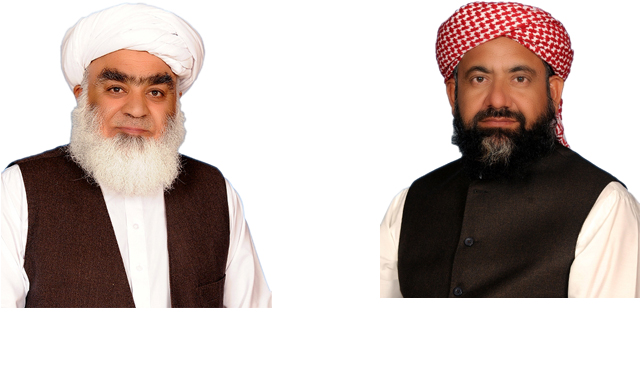
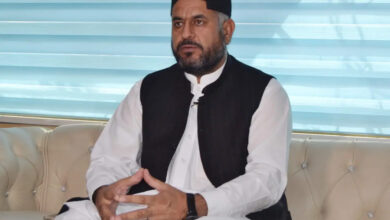
Quetta — Jamiat Ulema-e-Islam Balochistan provincial amir Senator Maulana Abdul Wase, general secretary Maulana Agha Mahmood Shah and spokesman Haji Dilawar Khan Kakar have said the daily loss of precious lives in the province has become routine, and that the solution does not lie in statements or administrative steps alone.
In a joint statement, they said unrest, terrorism and killings had reached a point where security personnel, unarmed civilians, traders, labourers, political and social workers and people from every class no longer felt safe. The absence of serious and effective action by the government and responsible institutions, they said, was a matter of deep public concern.

They said the people of Balochistan could not be left at the mercy of terrorists any longer. Attitudes must change at once, and practical steps should be taken by addressing the root causes instead of politics of statements, accusations and reaction. The crisis, they added, was not the problem of one party or group but of the province’s future, peace, economy and public safety.
All stakeholders — political parties, tribal elders, traders, civil society and relevant institutions — should sit together in good faith, review the situation and find workable solutions. No further tragedy should be awaited. A purposeful national and provincial dialogue should begin immediately with seriousness and forbearance.
The leaders said Balochistan’s people must be made to feel they are equal citizens of the state, and that their lives, livelihoods, honour and future matter as much as those of people in any other province. Inflammatory and bitter statements from people in responsible positions, they warned, had only poisoned an already tense atmosphere.
JUI said it had from the first day pressed for serious steps, political dialogue and consultation. Political reservations would still be raised through democratic means, but politics had meaning only when there was peace, security of life and property, jobs for youth and a climate in which traders and ordinary people were not forced to live in fear.
Peace in Balochistan, they said, was not a political demand but a basic need and first right. The state should show generosity on resources, rights and development, address the sense of deprivation, respect political and democratic rights and ensure jobs, education, health and basic services so that a citizen of Balochistan feels an equal and honoured part of the state.
Power, administrative measures or hard statements would not permanently solve the province’s complex problems, they said. What was needed was political insight, serious talks, confidence-building, justice, equal rights and a strategy based on public participation. “Peace is not sustained by the gun; it lasts through justice, trust and public contentment.”
They expressed grief over the martyrdom of security personnel who, they said, fought bravely against terrorists at Ziarat, Pishin Junction and Khanai Baba, offered condolences to the bereaved families and prayed for the departed. Ending terrorism was essential, they added, but so was restoring public trust, narrowing political and social distances and giving people a practical sense of peace and protection.