Jamaat-e-Islami to Stage Province-Wide Highway Sit-ins Across Balochistan on August 7, Says Hidayat-ur-Rehman Baloch

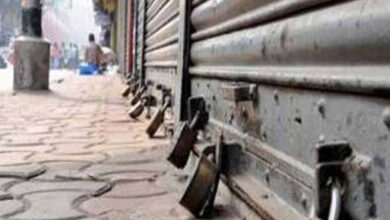
Quetta: Jamaat-e-Islami Balochistan chief and Member of the Provincial Assembly Maulana Hidayat-ur-Rehman Baloch has announced that the party will stage sit-ins and block major highways and bypasses across Balochistan on August 7 in protest against worsening law and order, corruption, border closures, unemployment, inflation, and other public issues.
Addressing a workers’ convention at the party’s provincial secretariat in Quetta, Hidayat-ur-Rehman said demonstrations would be held on key routes, including the Coastal Highway, National Highways, GT Road, and major bypasses, with support expected from transporters, the business community, and the general public.

He said organizational responsibilities had been assigned across the province, and party workers had been mobilized in Quetta, Pishin, Chaman, Qila Saifullah, Qila Abdullah, Zhob, Loralai, Sibi, Kachhi, Bolan, Jaffarabad, Nasirabad, Mastung, Khuzdar, Nushki, Lasbela, Hub, Panjgur, Kech, Turbat, Gwadar, and other districts.
According to the Jamaat-e-Islami leader, public gatherings, road blockades, and protest programs will begin at 4:00 p.m. in 21 districts of Balochistan to highlight what he described as the province’s pressing political, economic, and social challenges.
He said the protests are intended to draw attention to issues including insecurity, corruption, enforced disappearances, the recovery of mutilated bodies, economic hardship, unemployment, unsafe highways, border closures, and rising inflation. He alleged that the federal government and state authorities had failed to address the concerns of the people of Balochistan.
Hidayat-ur-Rehman reiterated that Jamaat-e-Islami would continue its struggle for public rights, peace, and the resolution of Balochistan’s issues through democratic means.
He also appealed to traders, transporters, youth, tribal elders, and people from all walks of life to participate in the August 7 demonstrations and support what he described as a peaceful but effective protest against injustice, insecurity, and anti-public policies.