Iran Claims Over 200 Foreign Ships Sought Permission to Transit Strait of Hormuz
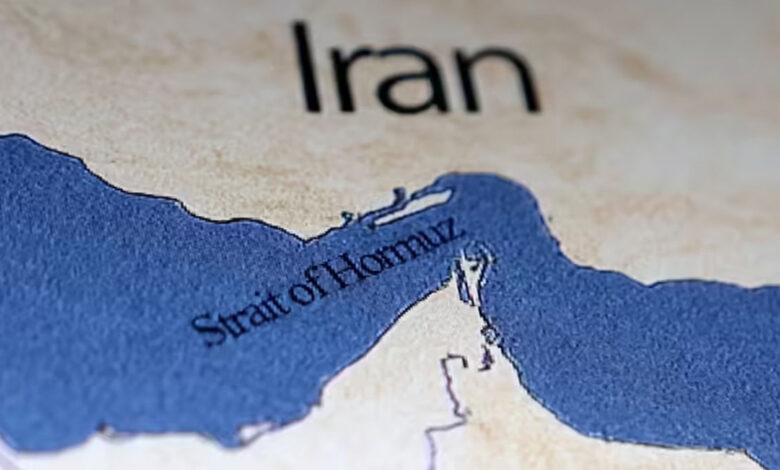
Tehran:** Iran has claimed that more than 200 foreign commercial vessels have obtained permission from its newly established maritime authority to transit the Strait of Hormuz over the past three weeks.
According to Iranian officials, the Persian Gulf Strait Authority said on social media platform X that, following the signing of the Memorandum of Understanding (MoU) between Iran and the United States, more than 200 foreign ships contacted the authority to secure safe passage through the strategically vital waterway.


The authority stated that most vessels were granted transit approval and were also provided with insurance coverage. However, it did not release detailed figures or supporting data, and the claims have not been independently verified.
### Iran’s Control Over the Strait
Iran established the Persian Gulf Strait Authority earlier this year to oversee maritime traffic through the Strait of Hormuz and reinforce its claim of sovereignty over the critical shipping route.
Iranian officials have maintained that the strait has not been completely closed, but that only vessels receiving prior authorization from Iranian authorities have been permitted to pass.
### Latest Developments
Following recent U.S. airstrikes, tensions in the Gulf have escalated once again. However, international shipping sources report that limited commercial traffic has resumed through the Strait of Hormuz.
Several commercial vessels are reportedly using the route after coordinating with Iranian authorities, while many major shipping companies continue to divert vessels or postpone voyages due to ongoing security concerns.
Meanwhile, U.S. President Donald Trump said on Monday that the Strait of Hormuz would remain open “with or without Iran,” adding that the United States would ensure freedom of international navigation at all costs.
### Global Economic Impact
The Strait of Hormuz is one of the world’s most important energy corridors, carrying nearly one-fifth of global crude oil and liquefied natural gas (LNG) exports each day.
Any prolonged disruption to shipping through the strait could trigger sharp increases in global oil prices, disrupt energy supplies, and create significant challenges for international supply chains.
Analysts warn that if tensions between the United States and Iran continue to escalate or if restrictions on the Strait of Hormuz persist, oil exports from Gulf countries could be severely affected, with global crude prices potentially rising above **$90 to $100 per barrel**.