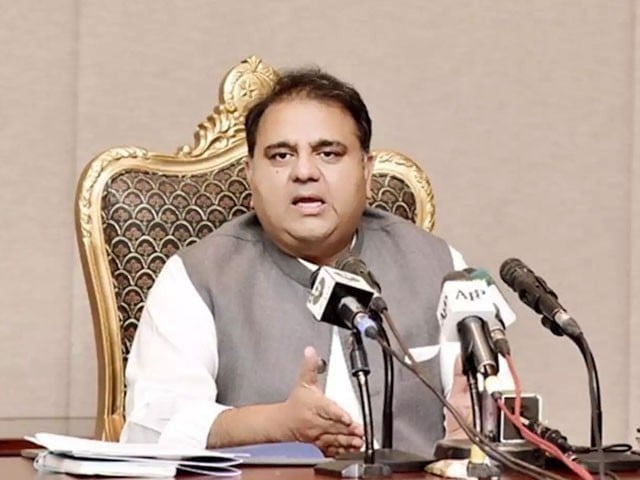
Arif Habib Doubts Government Measures Will Deliver Quick Economic Recovery

ISLAMABAD: Renowned investor Arif Habib has expressed skepticism about the government’s ability to rapidly improve Pakistan’s economic situation, saying he does not expect current policy measures to produce immediate results or attract significant investment in the near future.
Speaking during Geo News’ special transmission “Kar Dalo, Aakhri Mauqa” following the federal budget announcement, Habib said that high energy costs remain a major obstacle for investors considering Pakistan. He also noted that the country’s tax burden continues to be too high.

Habib emphasized the need to abolish the super tax, arguing that the lack of investment is preventing the creation of new employment opportunities. He added that the government must further reduce energy prices and taxes to boost exports and improve the country’s competitiveness.
According to Habib, the government still has room to provide additional relief, but a key challenge remains the country’s low tax-to-GDP ratio, an issue that has repeatedly been highlighted by the International Monetary Fund (IMF).
He acknowledged that the government consulted various stakeholders during the budget preparation process and provided some relief to salaried individuals and exporters while keeping the IMF informed. He also noted that support is being extended to the construction sector, but questioned how quickly these measures would translate into broader economic improvement.
Meanwhile, Ziad Bashir, Director of Gul Ahmed Textile Mills, said the government has done what it could under the current circumstances and has played an important role in stabilizing the economy.
Bashir pointed out that insufficient attention is being given to value-added industries and noted that rail freight accounts for less than 5 percent of cargo transportation. While significant investment has been made in road infrastructure, he said the railway system has largely been neglected.
He further highlighted Pakistan’s lack of efficient direct-port shipping infrastructure, warning that unless these fundamental issues are addressed, the country will struggle to remain competitive in global markets.