Raja Nasir Abbas Alleges Rigging in Gilgit-Baltistan Elections, Questions Transparency of Polls
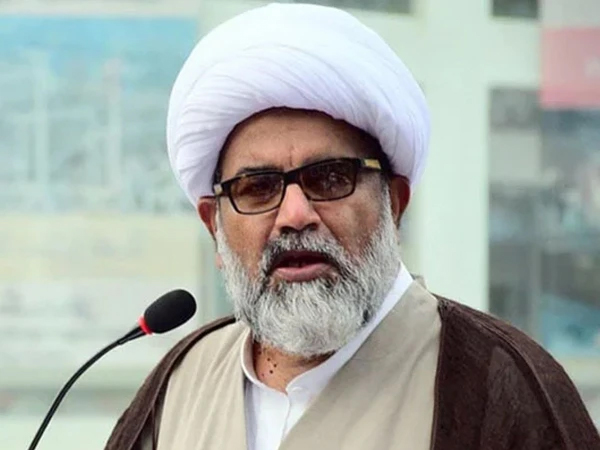
ISLAMABAD: Opposition Leader in the Senate, Raja Nasir Abbas, has alleged widespread irregularities in the Gilgit-Baltistan elections, claiming that the polls were neither free nor transparent.
Speaking to journalists, Raja Nasir Abbas said delays in the announcement of results and the promotion of what he described as “selective outcomes” had raised serious questions about the credibility of the electoral process.

He alleged that information blackouts in Gilgit-Baltistan were being used to conceal facts and claimed that the public mandate had been undermined through manipulation of election results. He further asserted that candidates affiliated with Pakistan Tehreek-e-Insaf (PTI) were not provided equal opportunities to contest the elections.
The senator also alleged that political interference and attempts to influence the electoral environment affected the fairness of the polls. He said that growing deprivation in Gilgit-Baltistan and efforts to control local resources had increased public concerns.
Raja Nasir Abbas claimed that the tradition of toppling elected governments and encouraging political defections continued to undermine democratic norms. He argued that genuine public representatives were being prevented from emerging and that individuals responsible for economic and political challenges were being reimposed on the public.
He maintained that significant questions remain regarding the credibility of the election results and stressed that respect for truth, justice, and the public mandate is essential for strengthening democratic institutions.
The opposition leader warned that public trust in state institutions could erode if electoral mandates are perceived to be compromised. He added that sidelining genuine political leadership creates a dangerous vacuum that may encourage the rise of non-political forces.
Commenting on governance issues, Raja Nasir Abbas criticized restrictions on public representatives in both Gilgit-Baltistan and Azad Kashmir. He also expressed concern over internet shutdowns and information blackouts, saying they deprive citizens of access to reliable information and contribute to the spread of rumors and speculation.
He further stated that labeling protesters as terrorists or traitors was a dangerous approach and claimed that commitments made during negotiations were often not implemented. According to him, the lack of public confidence in official narratives has become one of the country’s most serious challenges.
Raja Nasir Abbas concluded by warning that policy missteps in sensitive regions such as Kashmir could have far-reaching consequences and emphasized the need for greater transparency, public engagement, and respect for democratic processes.