Government Decides to End Rs 140 Billion Gas Cross-Subsidy, Shift Toward Income-Based Relief
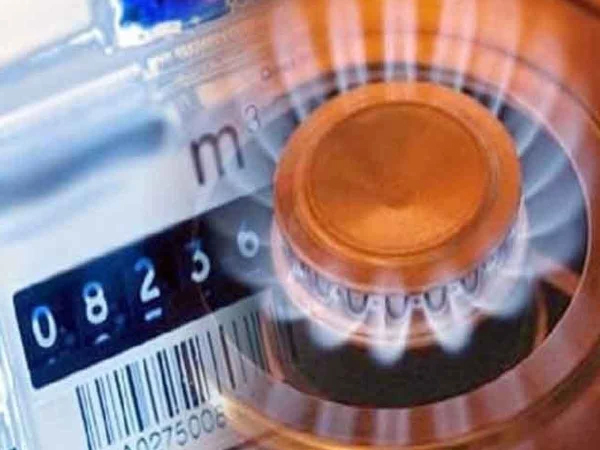
ISLAMABAD: The government has assured the International Monetary Fund (IMF) that it will eliminate the Rs 140 billion cross-subsidy currently provided to gas consumers by January 2027.
Under the new policy framework, subsidies on gas and electricity will no longer be based on usage levels but will instead be linked to household income. Officials confirmed that data from the Benazir Income Support Programme (BISP) will be used to identify eligible low-income households.
According to senior officials of the Petroleum Division, the current system provides subsidised gas rates to “protected” and certain “non-protected” domestic consumers. However, this subsidy burden is indirectly borne by industrial users, commercial consumers, CNG stations, the cement sector, and high-consumption households.
The government plans to abolish this structure and introduce a uniform average gas tariff for all consumers, while providing direct financial assistance only to low-income families.
Officials said the current average gas tariff stands at Rs 1,750 per MMBtu, while protected consumers are paying significantly lower rates under the existing subsidy regime.
Separately, Federal Minister for Finance Muhammad Aurangzeb held an important meeting with an International Monetary Fund (IMF) delegation led by Mission Chief Iva Petrova in Islamabad.
The Ministry of Finance stated that discussions focused on Pakistan’s economic situation, the upcoming federal budget, and ongoing structural reforms.
Senior officials including the Governor of the State Bank, the Secretary Finance, and the Chairman of the Federal Board of Revenue also attended the meeting.
The government reiterated its commitment to stabilising the economy and ensuring sustainable growth, while both sides continued consultations on the broader economic reform agenda. The upcoming budget is expected to focus on fiscal discipline and macroeconomic stability.