Everest Trekking Scam Exposed: Tourists Allegedly Poisoned for Fake Helicopter Rescues in Nepal
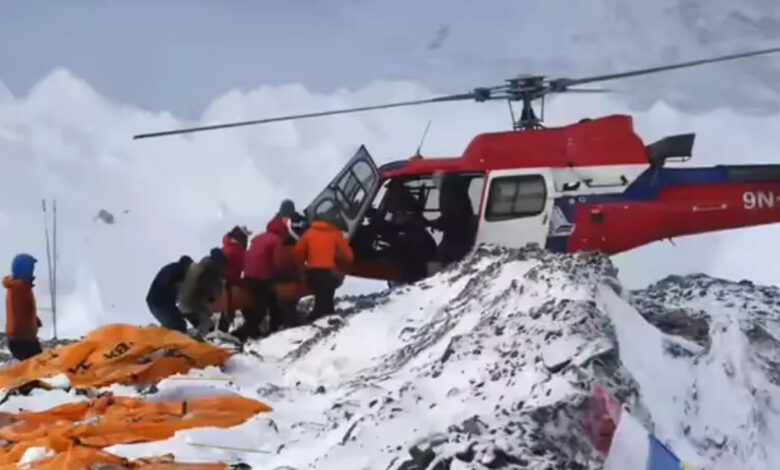
Nepal:A shocking fraud scandal has emerged in Nepal, where tourists trekking near Mount Everest were allegedly made deliberately ill to justify costly helicopter rescues and claim millions of dollars from insurance companies.
According to a report by a Nepali newspaper, trekking guides are accused of mixing baking soda into tourists’ food, causing severe stomach issues that mimicked symptoms of altitude sickness or food poisoning.


Investigations revealed that once tourists fell ill, they were persuaded to opt for expensive helicopter evacuations. Authorities allege that fake medical reports and flight documents were then used to claim large sums from international insurance providers.
The Nepal Police has charged 32 individuals in connection with the scam, including trekking company owners, helicopter operators, and hospital officials. Officials say the proceeds from the fraudulent scheme were distributed among guides, companies, medical staff, and other collaborators.
The probe began in January following the arrest of six officials from three major rescue companies. Investigators estimate that at least **$19.69 million** was fraudulently obtained through the scheme.
One company allegedly filed **171 fake claims out of 1,248 rescues**, collecting over **$10 million**, while another submitted **75 fake claims out of 471**, earning approximately **$8 million**. A third company is accused of making **71 fraudulent claims**, securing more than **$1 million**.
Prosecutors have requested fines totaling **$11.3 million**, and the court has prioritized the case due to its seriousness.
This is not the first controversy affecting Nepal’s tourism sector, which supports over a million livelihoods. Due to rising fraud concerns, several international insurance companies have recently stopped offering coverage to trekkers visiting Nepal.
It is worth noting that in 2018, the government introduced reforms to regulate emergency rescue operations by eliminating middlemen and assigning full responsibility to tour operators. However, officials admit that weak enforcement allowed such fraudulent practices to persist.