National Party Announces Boycott of Khuzdar By-Elections Over Transparency Concerns

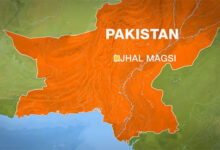
Quetta: The National Party has announced a boycott of the upcoming by-elections in Khuzdar, raising serious concerns over the transparency of the electoral process.
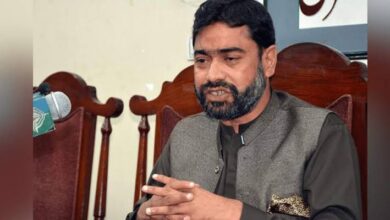
The decision was made during a two-day central committee meeting held in Quetta under the leadership of party president Dr. Abdul Malik Baloch.
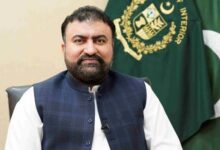
Addressing the session, Dr. Baloch stated that the party’s ideology is rooted in national identity, public sovereignty, and democratic values. He criticized the overall electoral environment in the country, claiming that transparency in elections has become highly questionable.
He further alleged that compromise-driven politics by major parties has weakened democracy, undermined parliamentary dignity, limited judicial independence, and subjected the media to commercialization and control. According to him, citizens are effectively being deprived of their right to vote.
The National Party leadership pointed to irregularities in both general and by-elections, including controversial practices such as Form 47, which they described as one of the most negative developments in the country’s electoral history.
Specifically regarding the Khuzdar by-polls, the party claimed that the rushed announcement of elections without fulfilling constitutional requirements, the introduction of a government-backed candidate, and the rejection of nomination papers of several candidates have made the process highly suspicious.
Based on these concerns, the party formally decided to boycott the elections.
Dr. Baloch also called for strengthening democratic struggle, urging political workers to remain active and engaged. He emphasized that the use of force in Balochistan is not in anyone’s interest and stressed the need for political dialogue to resolve ongoing issues.
He demanded an end to the inclusion of political workers in the Fourth Schedule and called for the immediate recovery of missing persons, reaffirming that the National Party will continue its struggle against undemocratic practices and for the supremacy of public mandate.