Pakistan Adopts Unified National Strategy Amid Fuel Crisis and Regional Tensions
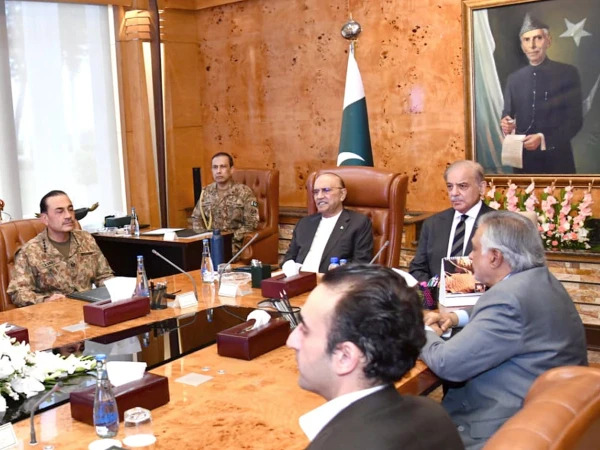
Islamabad: A high-level consultative meeting of Pakistan’s top civilian and military leadership was held at the Presidential Palace under the chairmanship of President Asif Ali Zardari, focusing on the country’s economic management, energy challenges, and regional security amid ongoing global uncertainties.
The meeting was attended by Prime Minister Shehbaz Sharif, Field Marshal Syed Asim Munir, Deputy Prime Minister Ishaq Dar, Bilawal Bhutto Zardari, and key federal ministers including those responsible for interior, finance, energy, and economic affairs.
Key Decisions and Highlights:
Energy and Economic Security: The leadership reviewed fluctuations in global oil and gas prices and agreed on aligning energy planning, economic management, and food security with national security policies to mitigate inflationary pressures.
Public Relief and Efficiency: Measures to stabilize petroleum prices will continue, with the government encouraging citizens to adopt fuel-saving practices such as public transport usage, car-sharing, and reduced energy consumption.
Regional Security and Mediation: Prime Minister Sharif briefed the President on Pakistan’s ongoing mediation efforts between and , with discussions also considering the possibility of Pakistan hosting international-level negotiations in Islamabad.
National Consensus: The meeting reaffirmed a commitment to inter-institutional cooperation, placing national interests above political affiliations.
A separate meeting between the President and Prime Minister focused on Pakistan’s evolving diplomatic role and the integration of defense and economic strategies to effectively counter external threats.
The unified national strategy reflects Pakistan’s efforts to address domestic economic challenges while strengthening its position as a proactive regional player.