Protest in Pishin Against Privatization, Iranian Fuel Ban, and Customs Raids; WAPDA Called Public Property
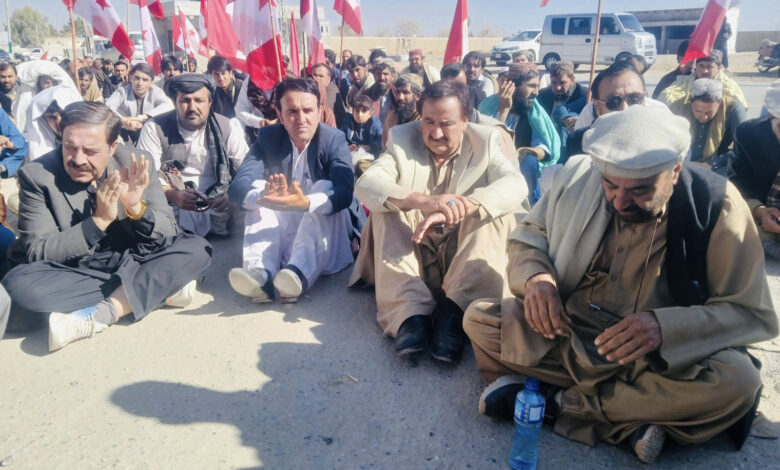
**Pishin:** Leaders of the Pashtunkhwa National Awami Party (PNAP) staged a protest in **Pishin**, condemning federal and provincial government policies, including the privatization of WAPDA companies and feeders, closure of sub-division offices, unannounced power outages, and Iranian fuel restrictions.
Speaking at the protest, party leaders said that WAPDA’s current electricity distribution system belongs to the public, and cutting off feeders or increasing load shedding in rural and urban areas is unacceptable. They criticized declining gas pressure, extended power outages, and inflated billing, saying these measures have caused severe hardships for poor citizens. Areas like **Lamdan and Yaro** in Pishin continue to suffer deprivation despite available resources.


The leaders also opposed private contractors handling billing, calling it a system based on corruption and bribery. They criticized **FC check posts** as instruments of harassment and extortion, creating fear and unrest among the public.
Regarding fuel, the PNAP leaders demanded that the provincial government formalize agreements with Iran to secure petrol and diesel for the province, and immediately stop extortion and blockades by forces along routes from **Taftan to Quetta**. They also condemned customs raids on shops and warehouses, calling them anti-people measures that disrupt essential supplies.
The leaders linked rising crime rates, including theft and smuggling, to government corruption and negligence. They rejected the agricultural tax as unaffordable for ordinary farmers and condemned internet shutdowns in southern Pashtunkhwa as discriminatory. They alleged that business restrictions along the **Durand Line** are part of a planned scheme to favor Punjab at the expense of Pashtun and Afghan communities.
The protest concluded with PNAP leaders meeting WAPDA officials to present their demands both verbally and in writing. They highlighted that a large portion of Pakistan’s electricity is generated from rivers in Pashtunkhwa, with **Tarbela Dam alone producing nearly 20 billion units annually**, yet the region remains in darkness.
Citing the Khyber National Jirga, the leaders demanded electricity be supplied at **PKR 5 per unit** to Pashtun areas, emphasizing that if Kashmir receives electricity at lower rates, Pashtun regions should receive affordable power from their own water resources. They urged federal and provincial governments to recognize and implement these legitimate demands promptly to avoid further unrest.