Prime Minister Directs Full Implementation of NAVTTC Apprenticeship Law, Sets New Technical Training Targets
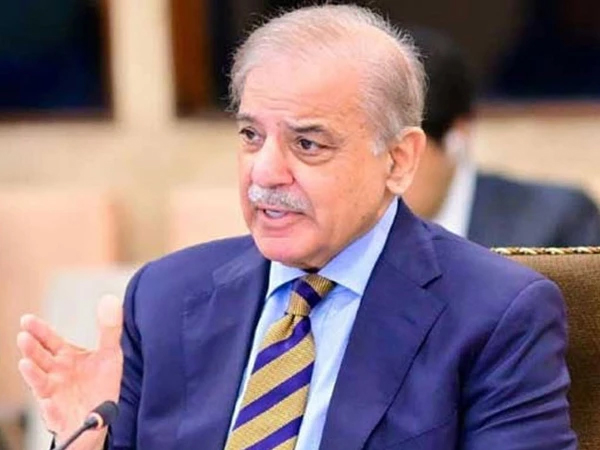
Islamabad: Prime Minister Muhammad Shehbaz Sharif has directed the National Vocational & Technical Training Commission (NAVTTC) to ensure full implementation of the apprenticeship law and to set new targets for technical and vocational training programs across Pakistan.
During a review meeting chaired by the Prime Minister on the newly introduced professional training ecosystem, the performance of NAVTTC’s ongoing programs was evaluated in detail. The meeting included representatives from private sector third-party validators, industry partners, professional firms, chambers of commerce, business associations, and experts from AI and IT sectors.


Officials informed the meeting that NAVTTC has achieved the targets assigned by the Prime Minister for its training programs. All programs now feature third-party validation, including biometric attendance for trainees and strict quality standards for trainers. For the first time, Pakistan’s skill-based bonds have been introduced, allowing private sector funding for vocational training based on measurable results.
The programs currently cover high-demand sectors such as IT, agriculture, fintech, mining, tourism, sports, hospitality, chip building, and more, and have been aligned with industry needs. A total of 148 industries nationwide have been included in NAVTTC programs, along with training initiatives in madrassas.
Data presented at the meeting showed that last year 146,000 individuals were trained, over 15,000 received international certifications, and more than 280,000 Pakistanis were employed in Saudi Arabia through these programs. NAVTTC has also licensed over 350 institutions to provide internationally recognized training. Additionally, 2,600 new institutions were registered, and pilot professional training projects were launched for over 10,000 participants.
The Prime Minister emphasized the importance of providing international certifications to enhance the global competitiveness of Pakistan’s workforce. He urged the Ministry of Foreign Affairs and the Ministry for Overseas Pakistanis to accelerate efforts for workforce placement in Gulf countries.
Shehbaz Sharif also directed NAVTTC to implement biometric attendance systems for all students and trainers, expand collaboration with provincial institutions, suspend underperforming training institutions, and further digitize and strengthen online monitoring systems.
The Prime Minister said, “Pakistani youth are highly talented, and NAVTTC’s programs are delivering tangible results. Providing training with internationally recognized certifications in high-demand skills remains our top priority.”
This marks a significant step in Pakistan’s effort to develop a skilled workforce aligned with domestic and global industry requirements.